Banquet floor notes
Metal banquet chairs, steel or aluminum, weighed by the team that lifts them
The band packs up at half past eleven. By midnight the last guests are in the lobby, and your banquet team starts on two hundred chairs that have to be off the ballroom floor before the cleaners arrive. Whatever is under the padding, steel or aluminum, every one of those chairs gets lifted at least twice before breakfast.
Guests never see the frame material of a metal banquet chair. They see the finish, the seat fabric and whether the rows line up. The frame material is a decision for the people who carry the chairs, and each chair's record gives them the figure that matters most: its weight in pounds.

Open diagram at full size (new tab) ↗
Read the diagram in text
Three numbered cards: listed banquet chair weights run 11 to 19 pounds in aluminum and 13 to 20 in steel; 200 chairs weigh 2,200 pounds at 11 pounds and 4,000 at 20; every non-swivel metal chair carries a 7-year limited warranty.
- BANQUET NOTES
- 1
- Read the weight line: Aluminum 11 to 19 lb, steel 13 to 20 lb.
- 2
- Count the lift: 200 chairs at 11 lb: 2,200 lb. 200 chairs at 20 lb: 4,000 lb.
- 3
- Check the cover: Non-swivel metal chairs: 7 years for defects at delivery.
- A light steel chair can beat a heavy aluminum one. Compare pounds before the alloy.
- Listed banquet chair weights overlap across steel and aluminum, so the pounds decide the changeover.
Steel, stainless steel and aluminum on the list
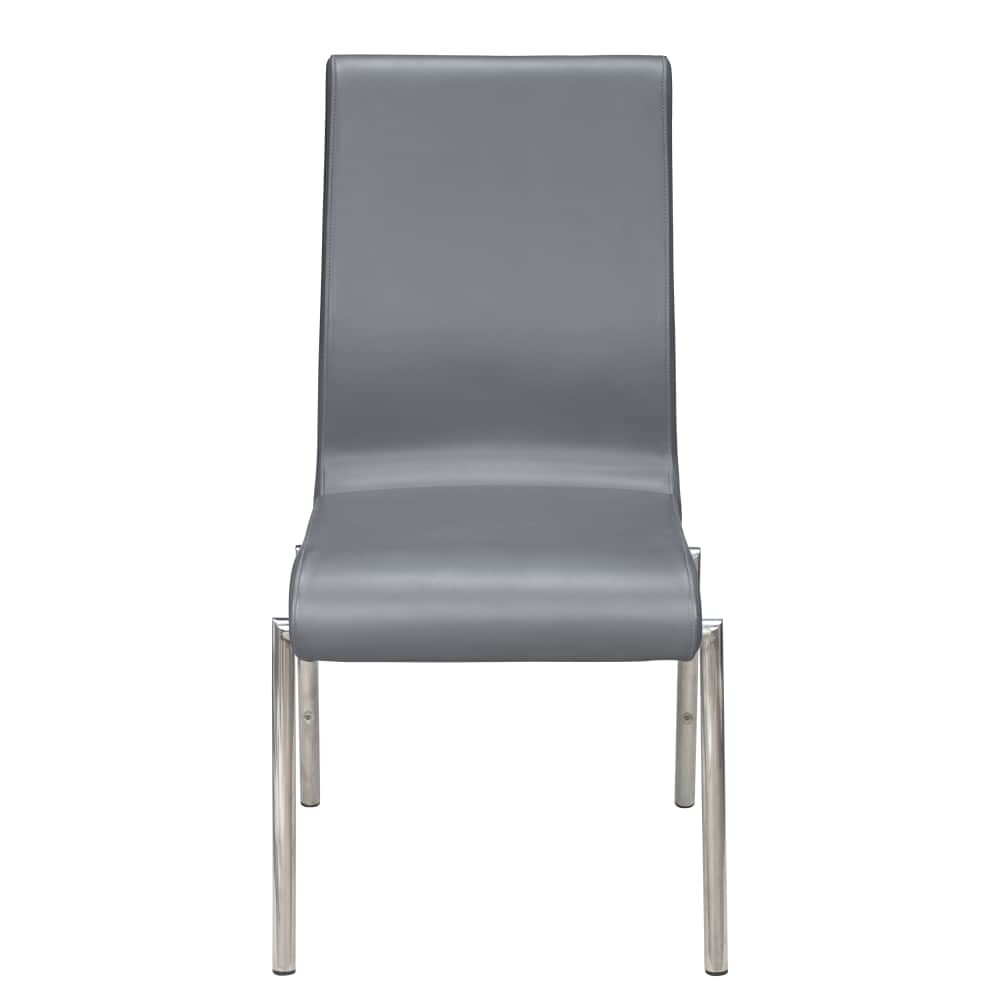
Our banquet chairs come in three frame metals. Steel frames include the stacking armchair and two upholstered-back models. A stainless steel banquet chair with a padded back is the one stainless frame in the group, at 20 pounds and starting at $226. The rest are aluminum, and there are more of them than either steel.
Every one of the thirteen carries the same listed weight capacity of 500 pounds and every one stacks. So capacity will not separate them, and neither will the stacking listing. What separates them is weight, seat height, the width and depth of the frame, and the options each one takes: ganging hardware on some, front casters on others, a wood grain finish on a few of the aluminum frames. The broader set of metal chairs shows the same pattern across the restaurant side of the property.
The weight line beats the metal name
Here is the mistake buyers make most. They read "aluminum" and assume light, read "steel" and assume heavy, and stop reading. The records do not bear that out.
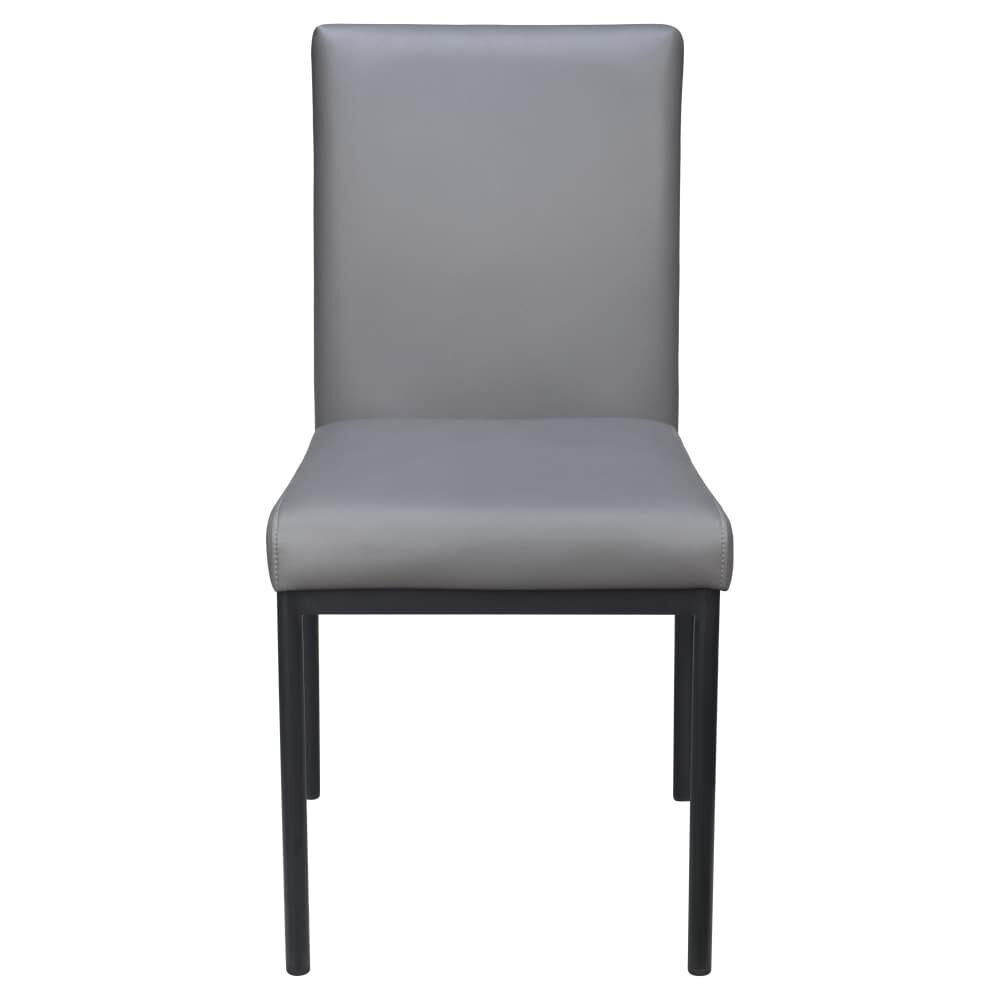
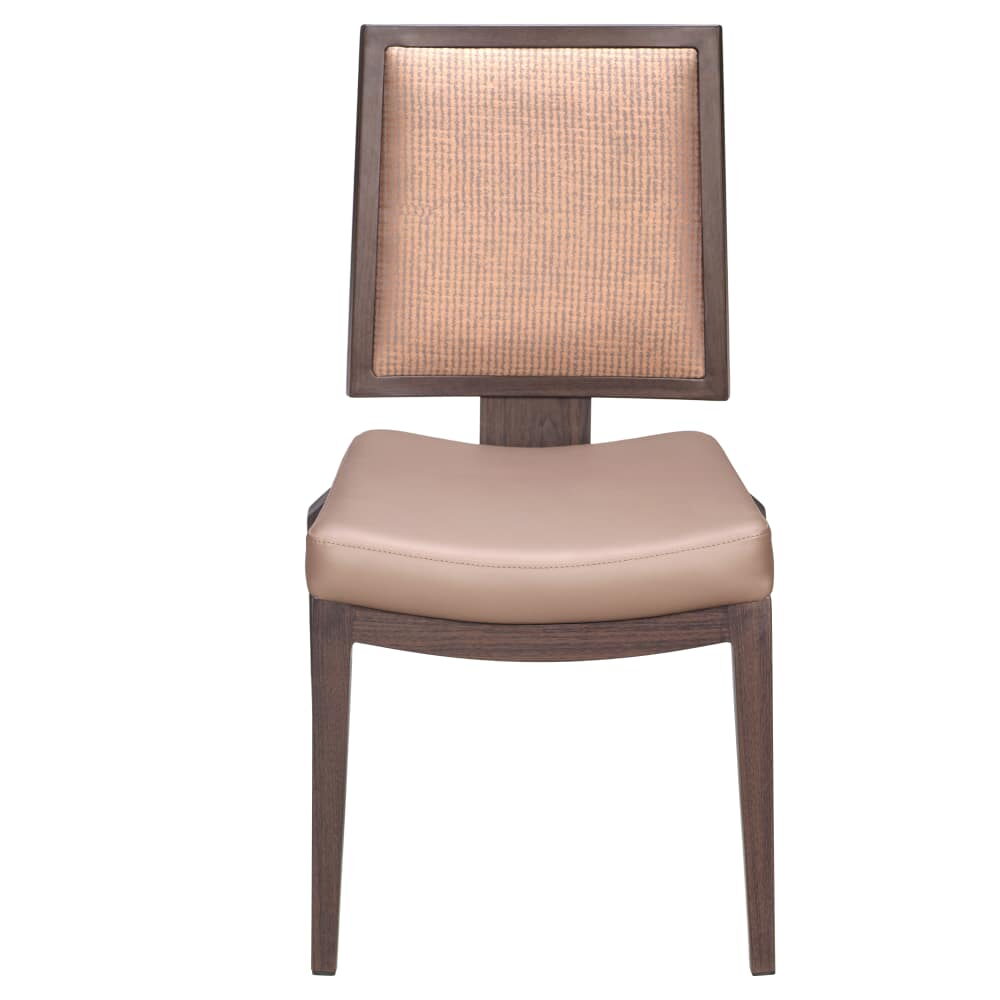
A steel banquet chair with an upholstered back weighs 13 pounds, starting at $179. An aluminum banquet chair with front caster options weighs 19 pounds, starting at $229. The steel chair is the lighter of the two by six pounds. Across our aluminum chairs in the banquet group, the listed weights run from 11 pounds to 19, and the steel frames run from 13 to 20.
So the rule is short. Compare the weight line, then the metal name. A light steel chair can beat a heavy aluminum one, and the team feels the pounds, not the alloy.
Two hundred chairs after the last dance
Put the figures to work on the ballroom from the opening scene. Two hundred chairs at 11 pounds each come to 2,200 pounds. Two hundred at 20 pounds come to 4,000. The gap is 1,800 pounds, close to a ton, and the team moves it off the floor at midnight and back on before the breakfast meeting at seven.
Now count it by the stack. Most of the group goes five high, the light steel chair, the stainless chair and the caster-option aluminum chair among them; the slim aluminum chair goes six, and three aluminum flex-back frames go ten. Only the steel stacking armchair leaves the count out, so ask a specialist for that one before you plan the carts. Multiply the listed weight by the stack height and you know what every trip down the service corridor carries: six of the 11-pound chairs come to 66 pounds, five of the 20-pound chairs to 100.
Ask your banquet captain one question before choosing. How many people will be on the floor at midnight on a Saturday in June? A team of six can live with a heavier chair that a team of three cannot.
Options that change the work
Two options on the records change the changeover more than the frame metal does.
The first is ganging hardware, offered as a yes or no choice on several of the upholstered-back steel and aluminum frames. Chairs that link side by side help hold a straight row for a ceremony or a keynote, and the rows stay put when guests stand. The second is the choice of feet. Four of the aluminum frames let you pick the feet: fixed nylon glides, adjustable glides in plastic or in metal, or casters at the front. Casters let a single chair roll across a hard floor with a tilt rather than a lift. Ask which floor the chairs will cross most often before you pick between them.
Both choices sit on the product page as options, so they are part of the configured price. A chair with ganging and a chair without are separate lines on the order, the same way two finishes would be. Seat height is the third figure to compare. Most of the upholstered-back frames list 18 3/4 inches, the light steel chair 19 1/2, and one aluminum model 17 3/4. Against a banquet table about 30 inches high, that leaves 11 1/4, 10 1/2 and 12 1/4 inches between seat and tabletop, and the planning range for a comfortable dinner is 10 to 12. The lowest chair sits just outside it, so set one at a table before you buy two hundred.
For the color question on top of the frame, our piece on gold banquet chairs covers finishes by the event.
What the warranty covers on a metal frame
Every chair in the banquet group is a metal chair that does not swivel. Under our limited warranty, that class of chair is covered for 7 years against faults in materials or workmanship present at delivery, provided the chair stays with the buyer who ordered it and sees ordinary commercial service. It is the longest period in our warranty list, and it applies whether the frame is steel, stainless steel or aluminum.
Read the exclusions with your housekeeping lead, though. Misuse, alteration, cleaning agents the care notes rule out and ordinary wear are outside the cover, and freight damage goes to the carrier as a claim rather than to the warranty. Any defect has to reach us within three days of receipt. Our warranty page sets out every term in full.
The chair on the scale before the order
Before you settle on a model, ask us for its listed figures side by side with one other: weight, seat height, width, depth and the options it takes. Put the two weights into the sum for your largest event, multiply by the number of resets that room runs in a busy week, and let your team see the result.
Then save the ballroom in property plans with the chosen chair, the count and its stack height, and download the project sheet for the banquet office. The stacking chairs in the wider catalog and our hotel chair guide will help if a function room or the restaurant needs a different chair. When the aluminum chair guide is open beside the plan, the pounds stay in front of the person signing the order.