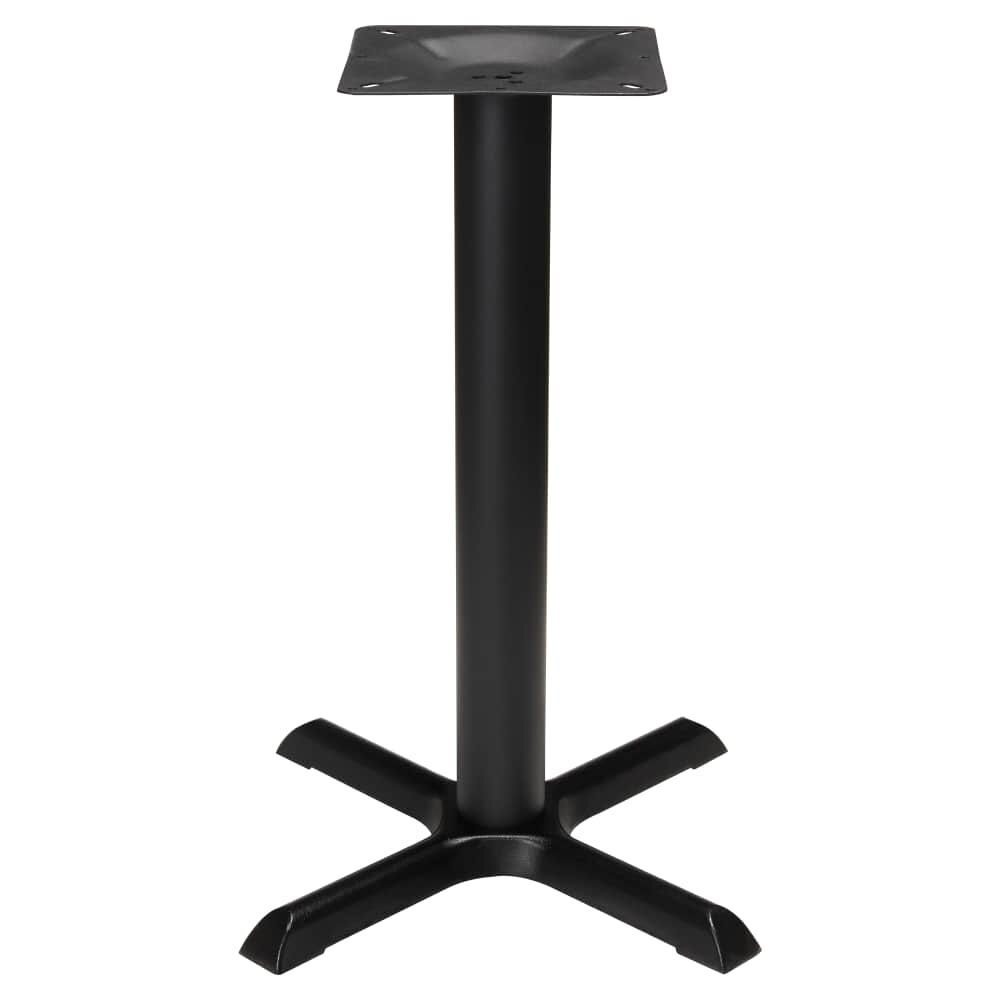
Table bases
X-Prong Standard Height Table Base with Glides
- Cast iron base
- Indoor use
From $48.00Set the options
CompareCount the room, then choose the chair.
A base works out of sight until somebody leans on the table. Here are 49 of them, at dining height and bar height, made of cast iron, chrome, aluminum, steel or stainless steel.
49 listed products · Prices in USD · Options on each product
A closer look at this selection
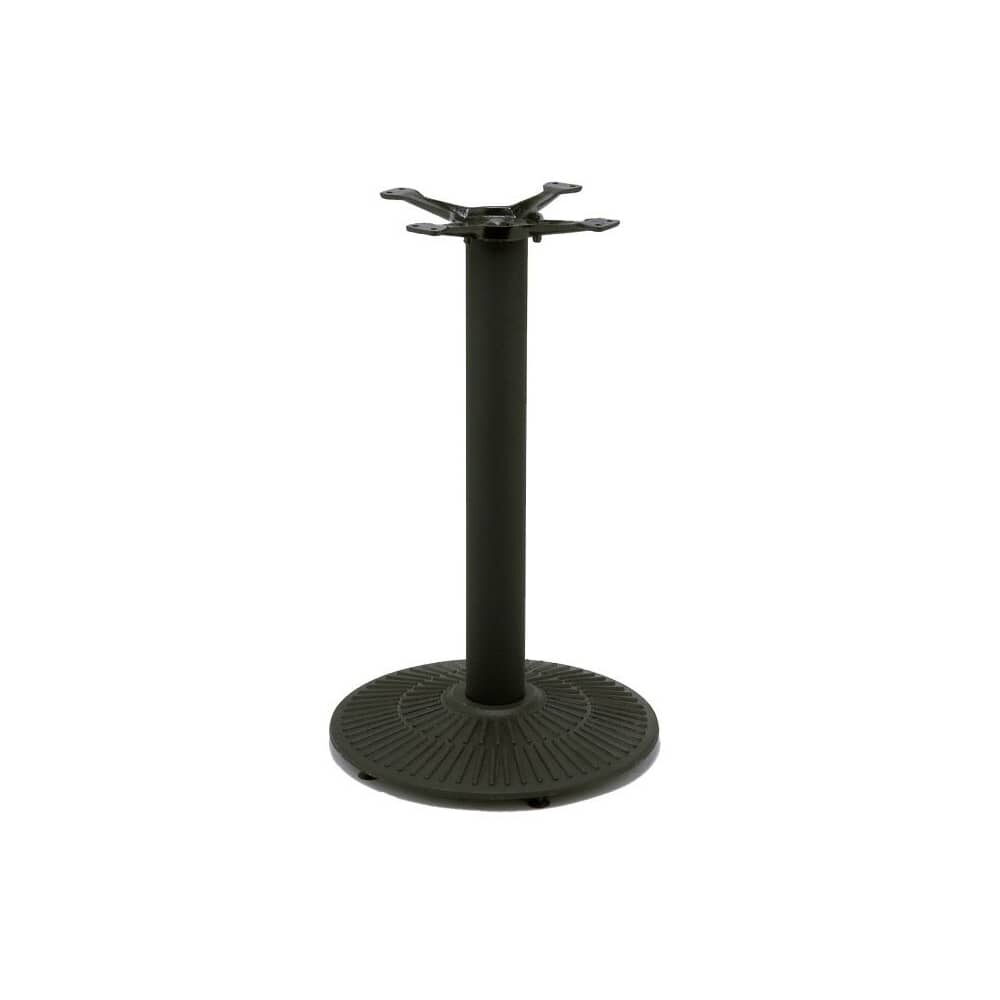
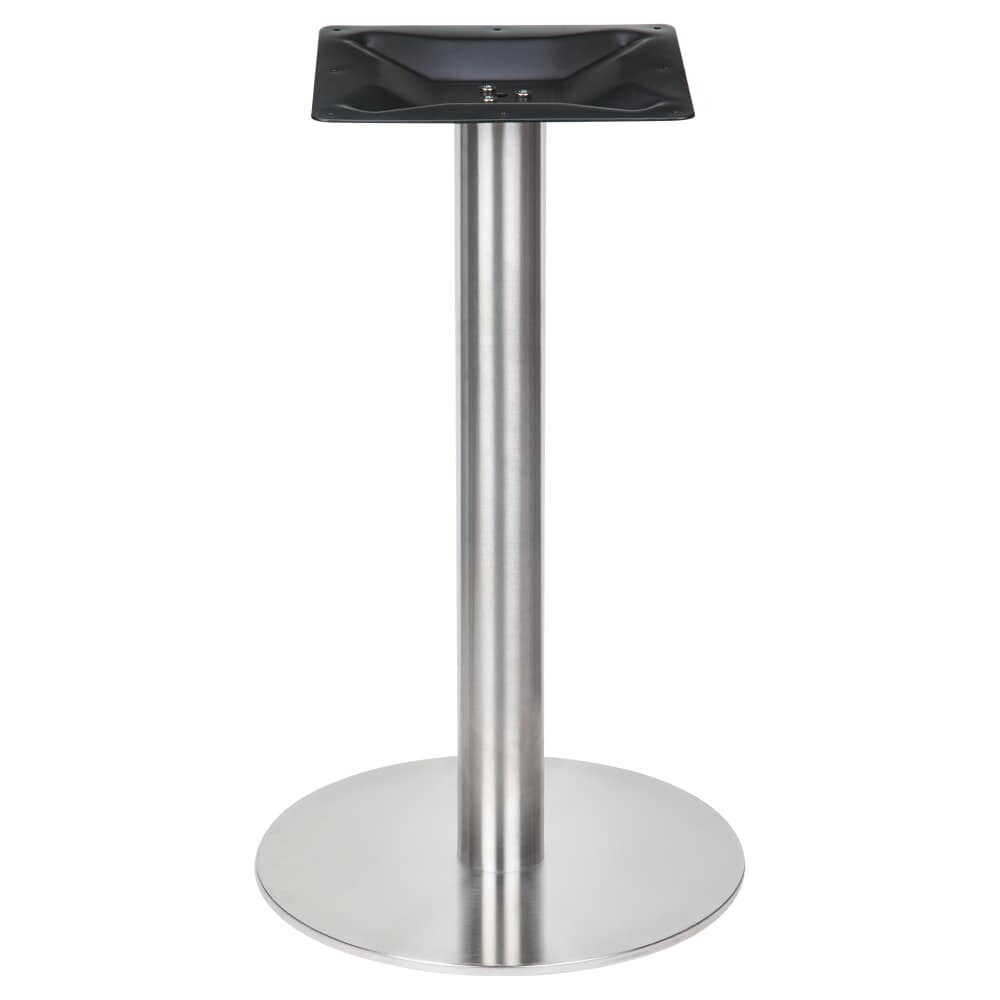
Actual product images. Open a piece to see its available options.
Table bases
Table bases
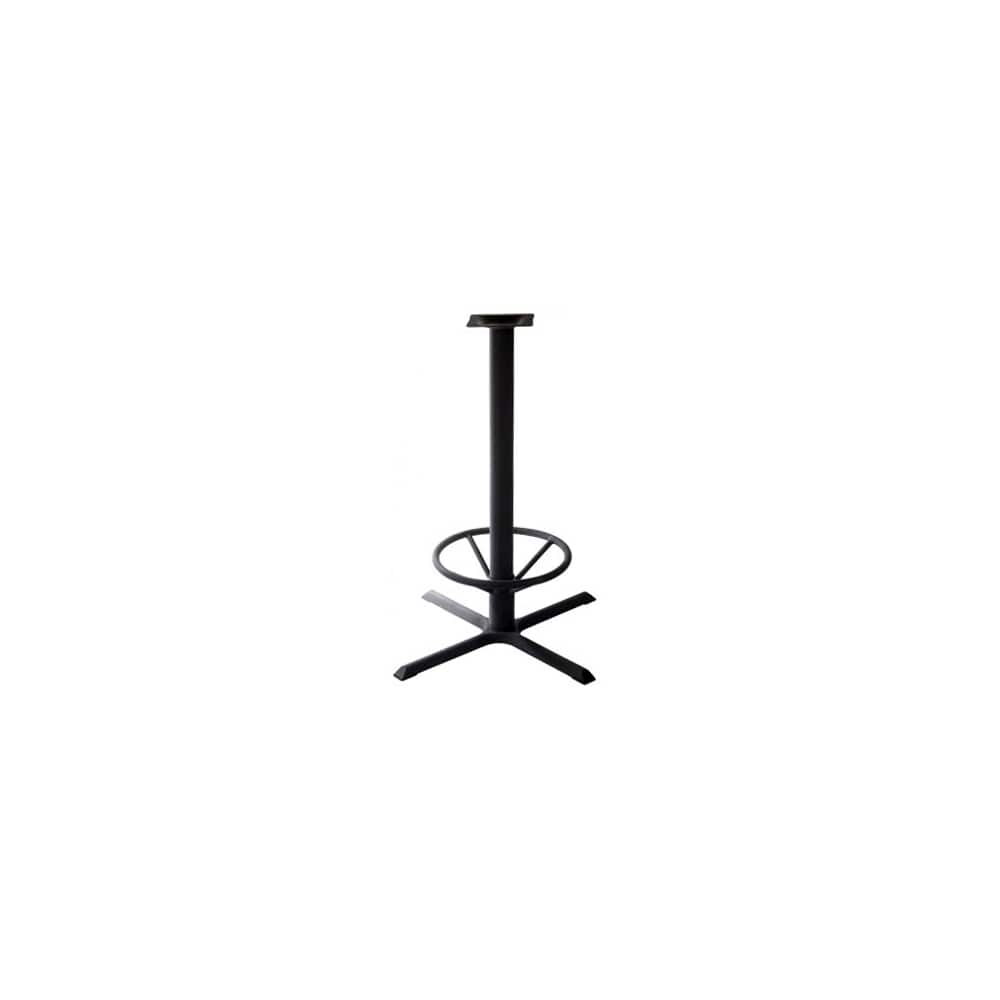
Table bases
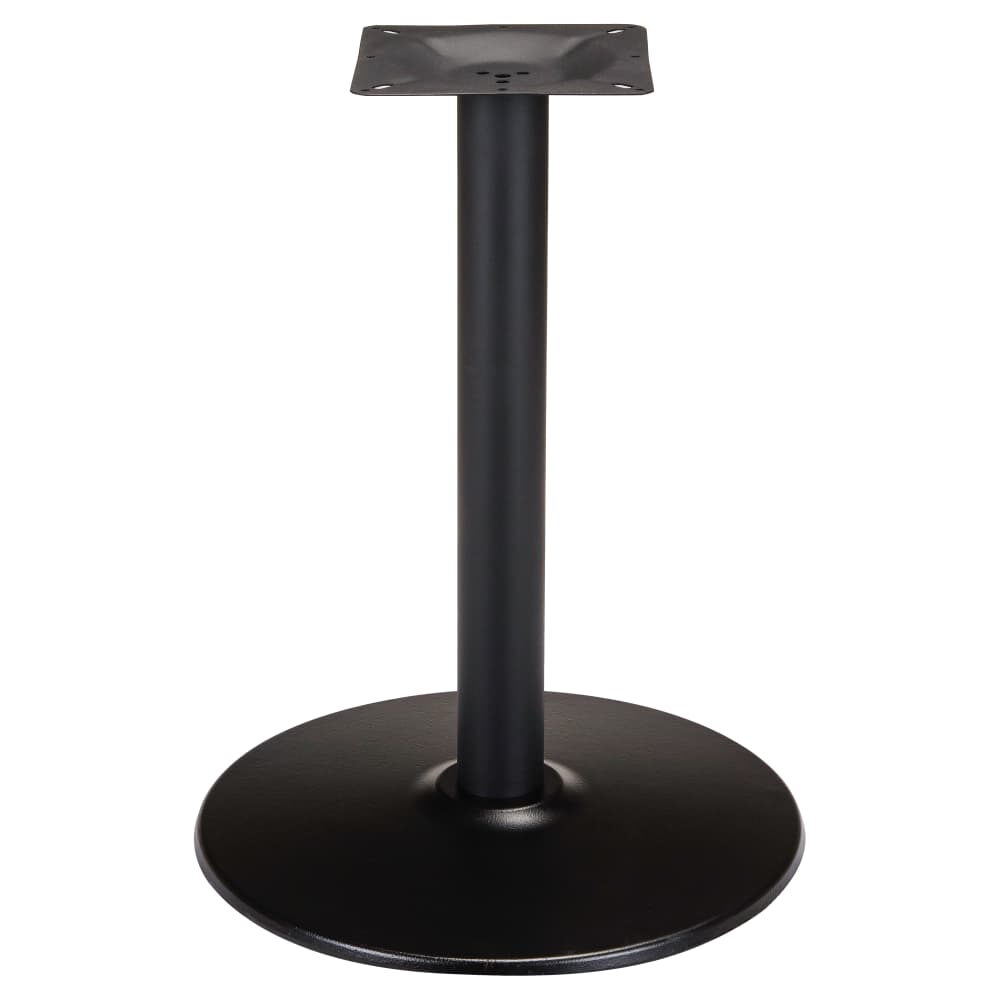
Table bases
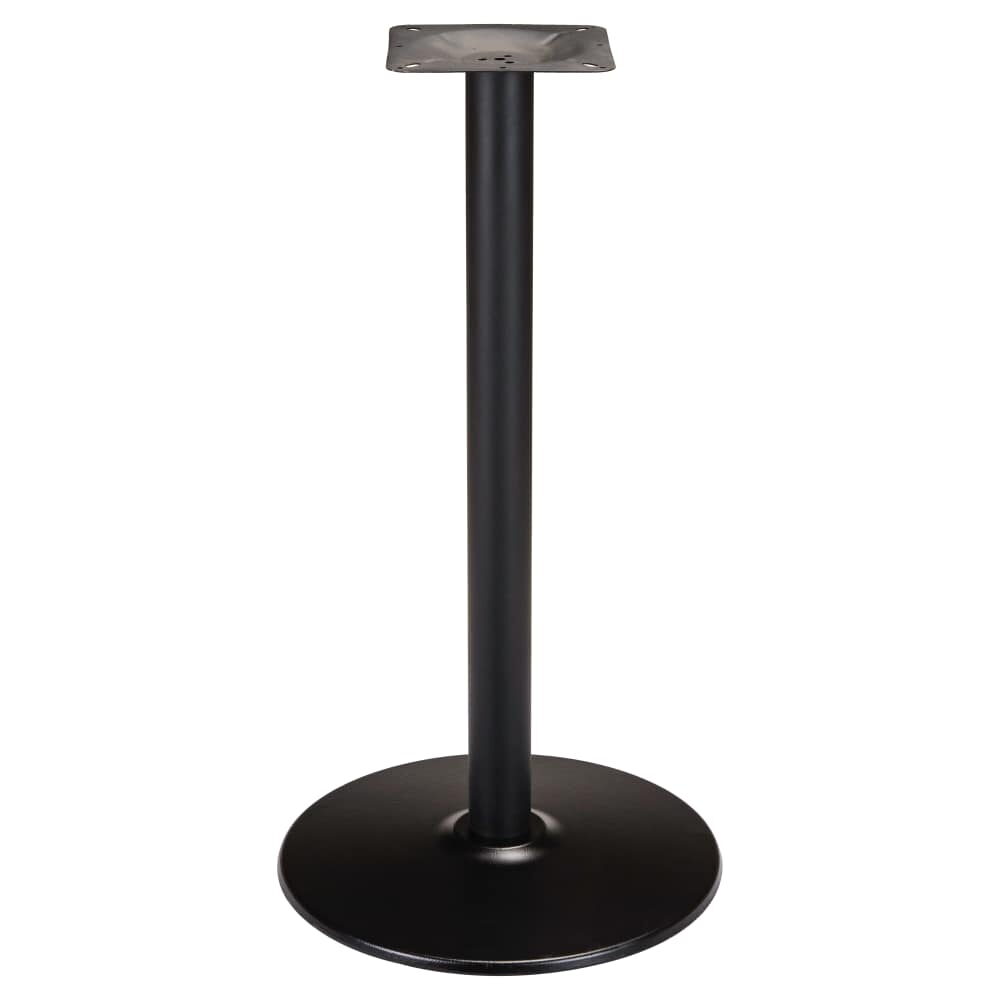
Table bases
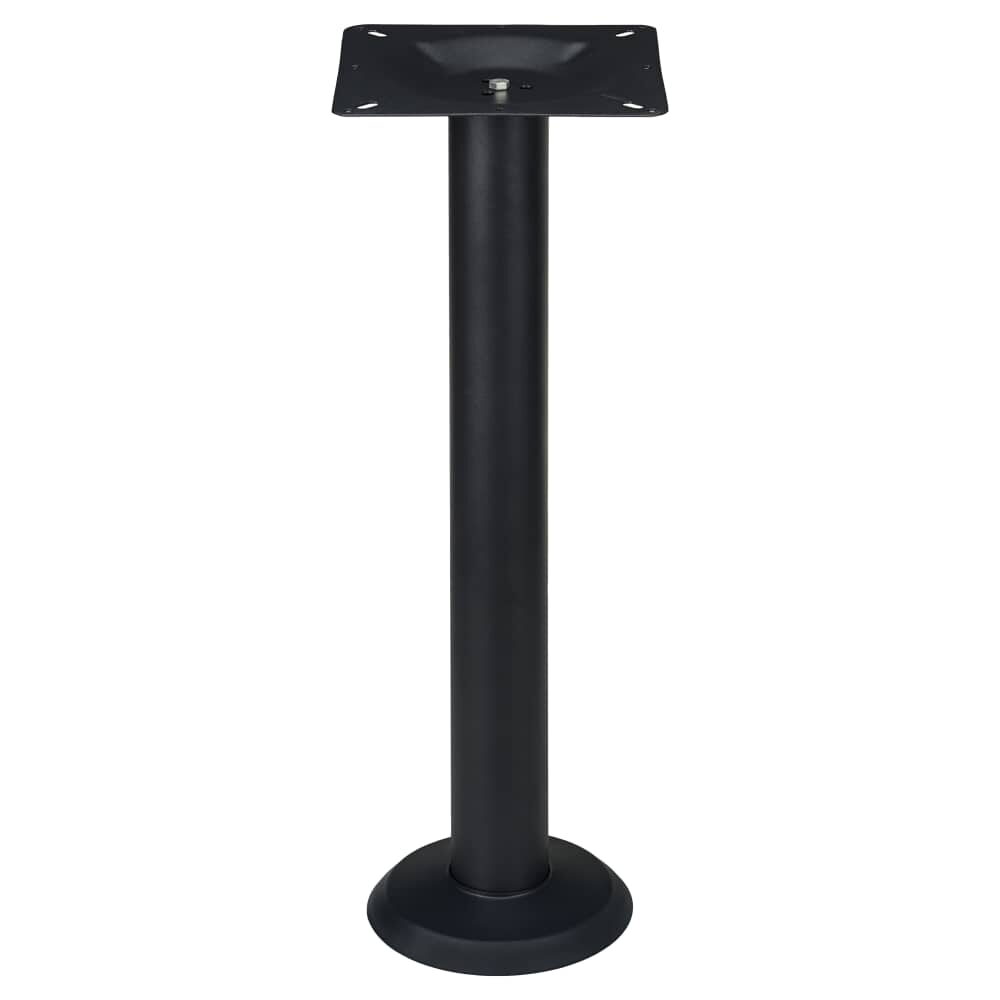
Accessories
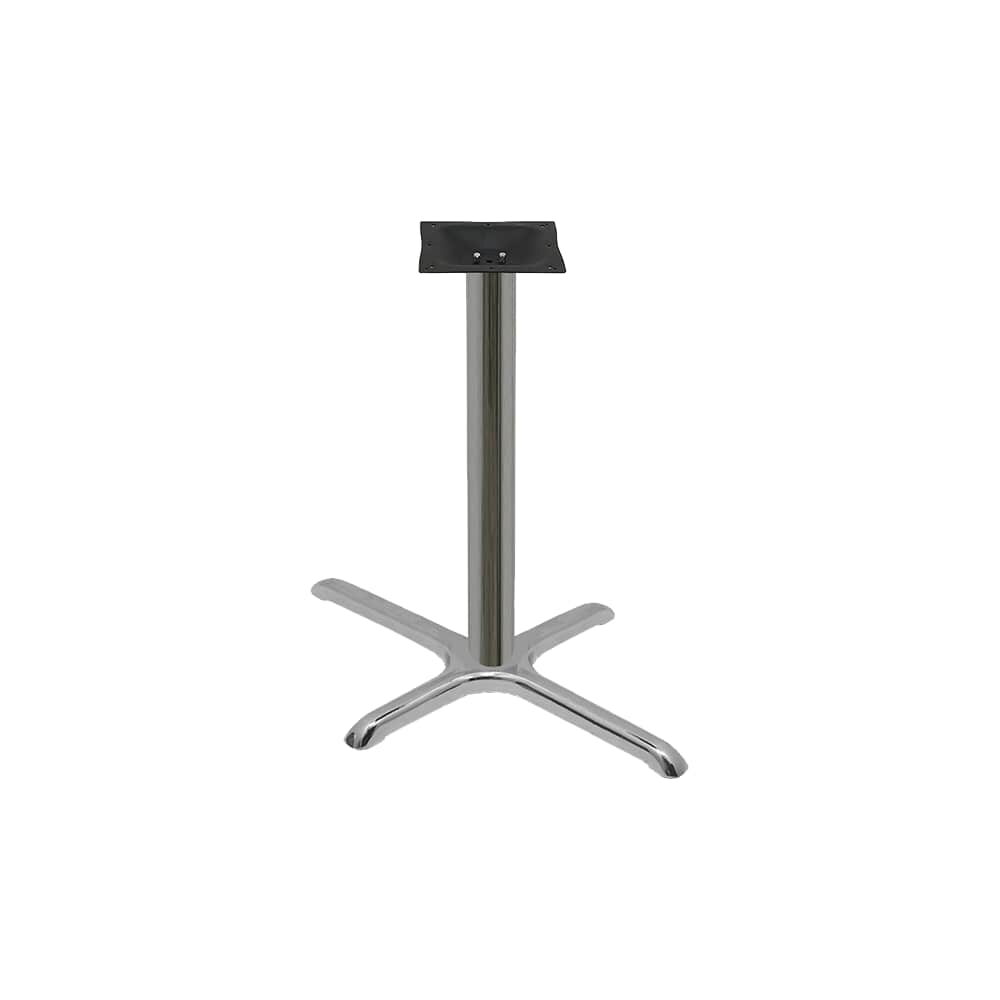
Table bases
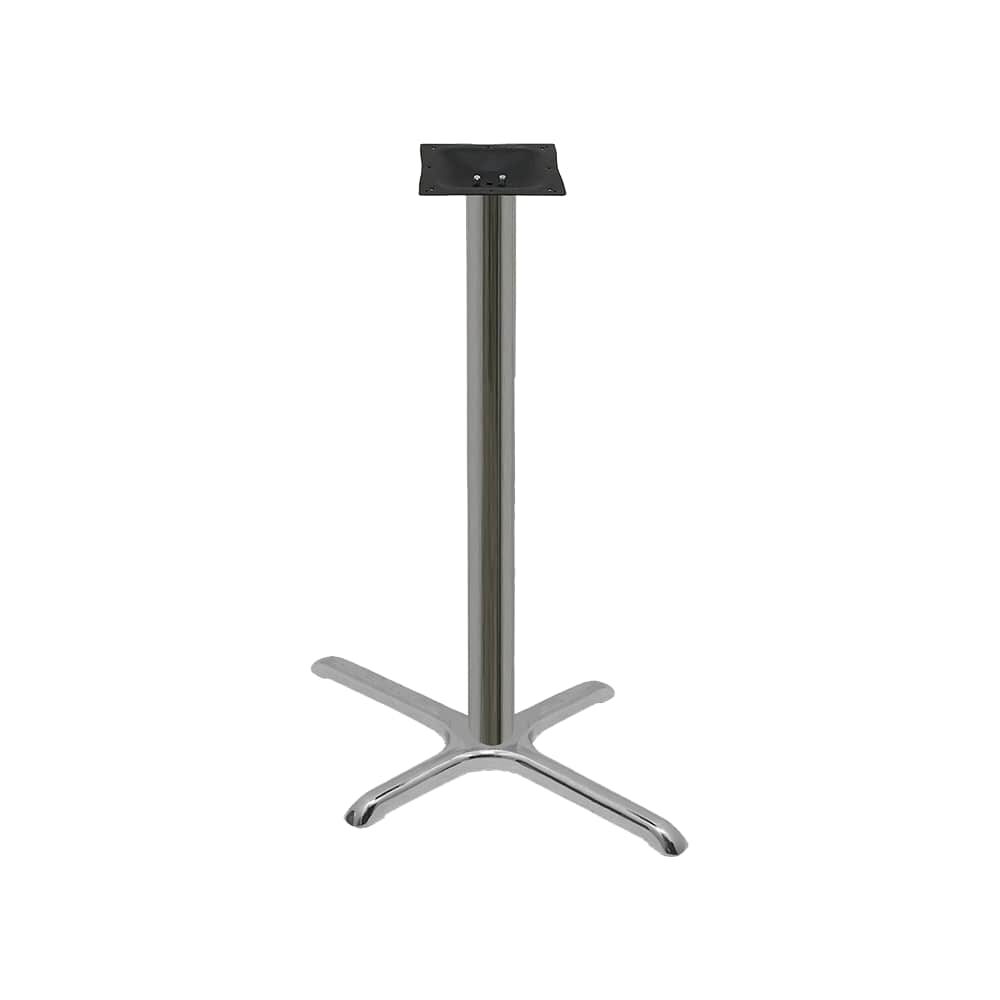
Table bases
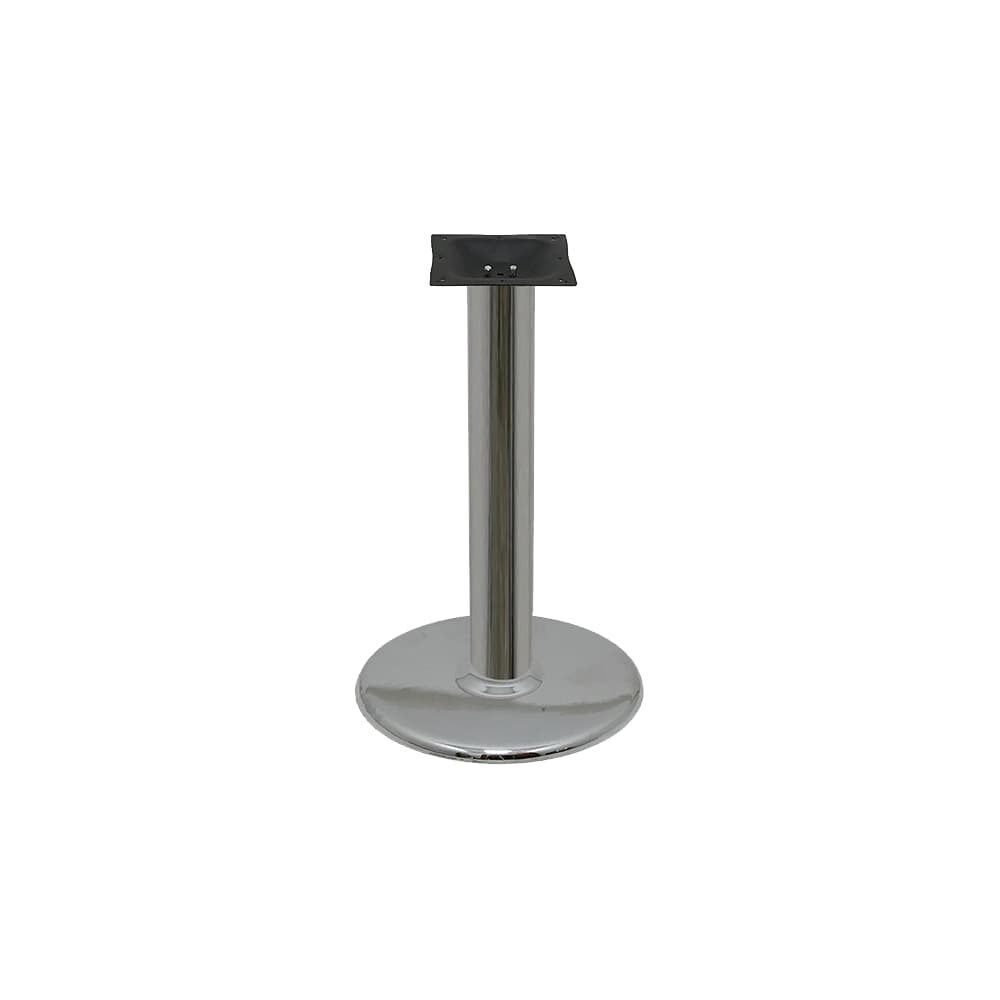
Table bases
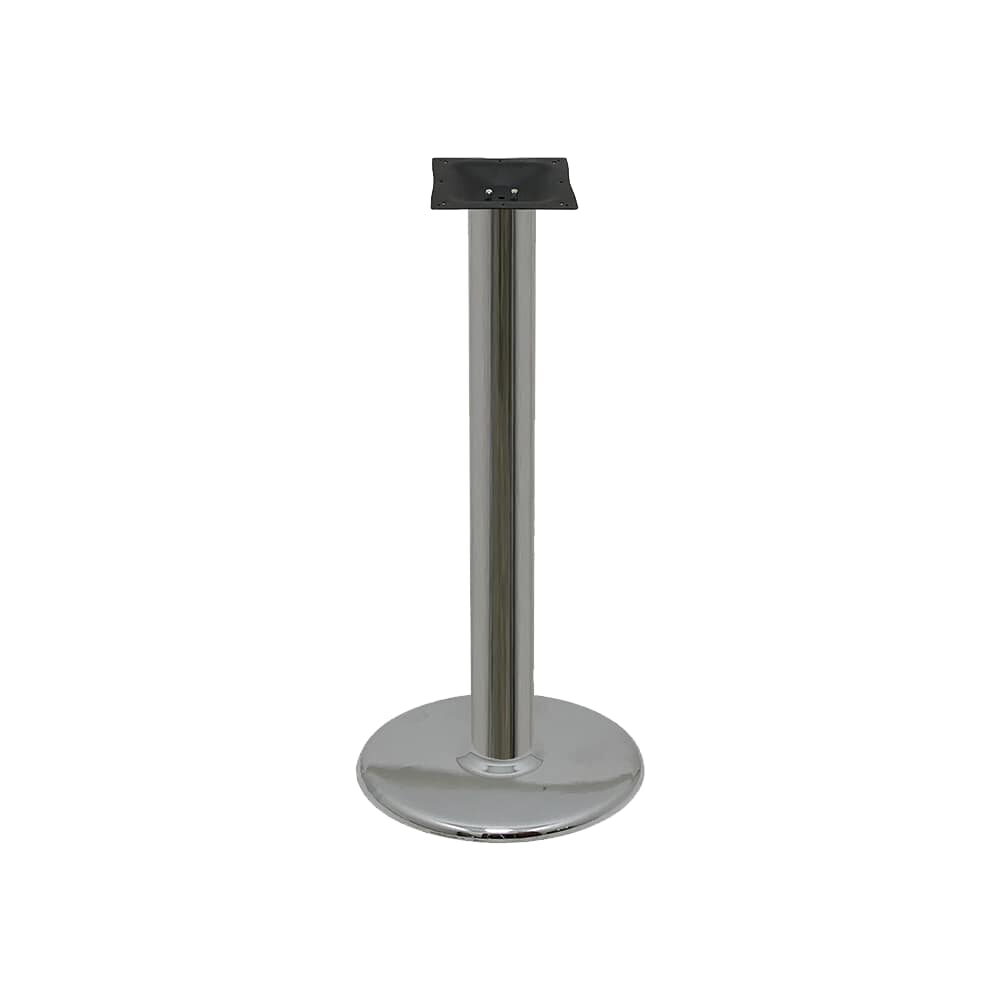
Accessories
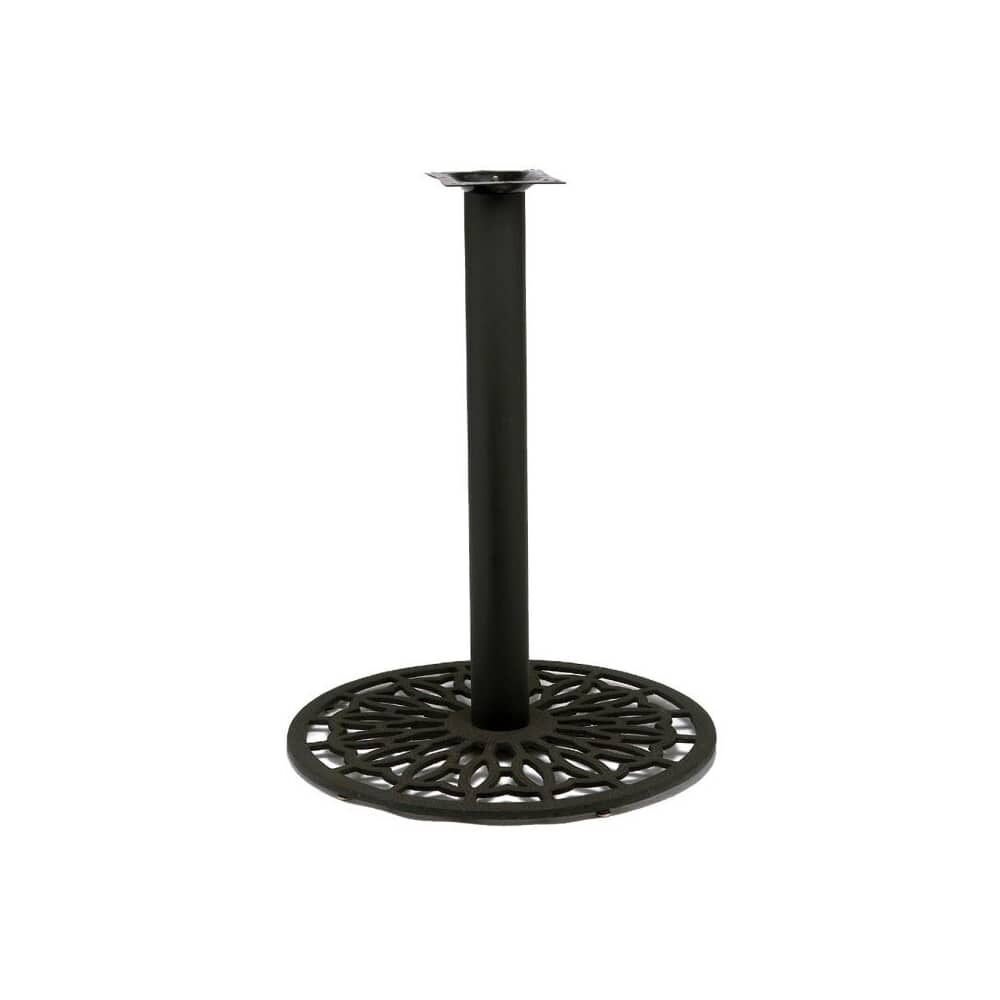
Table bases
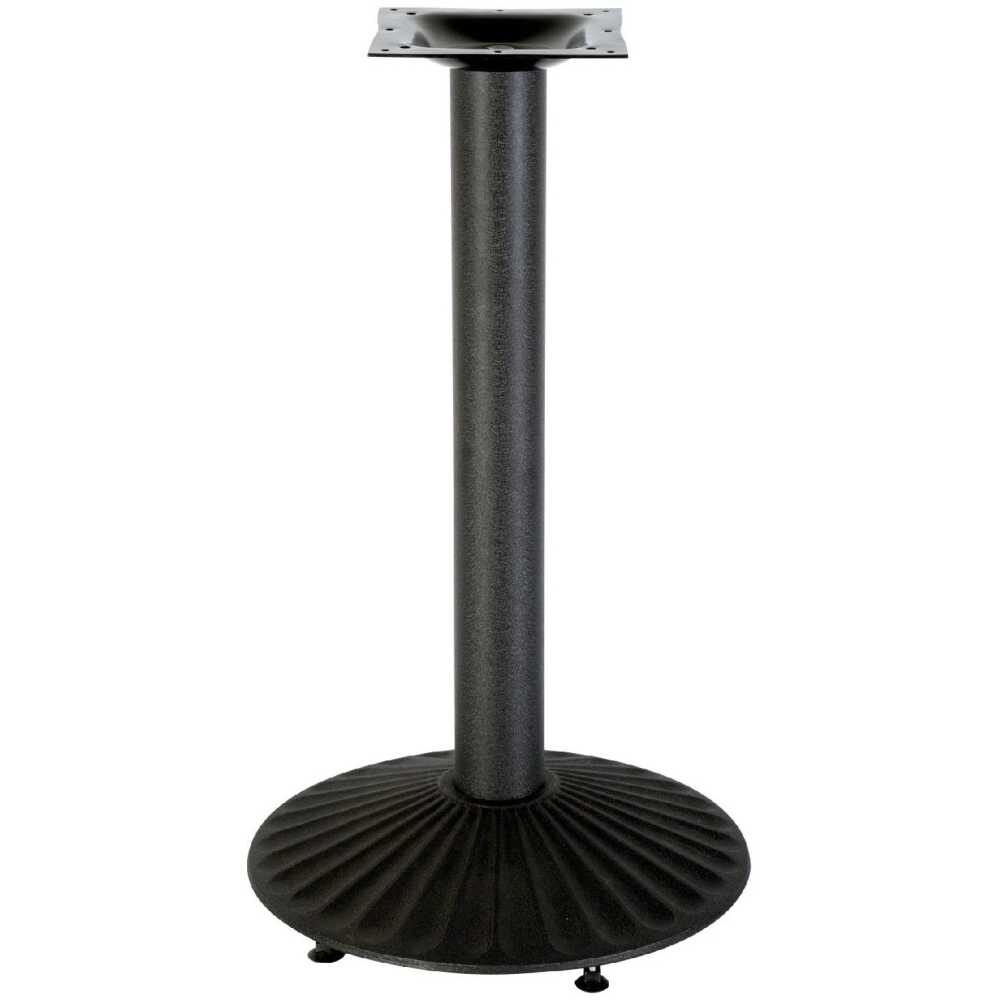
Table bases
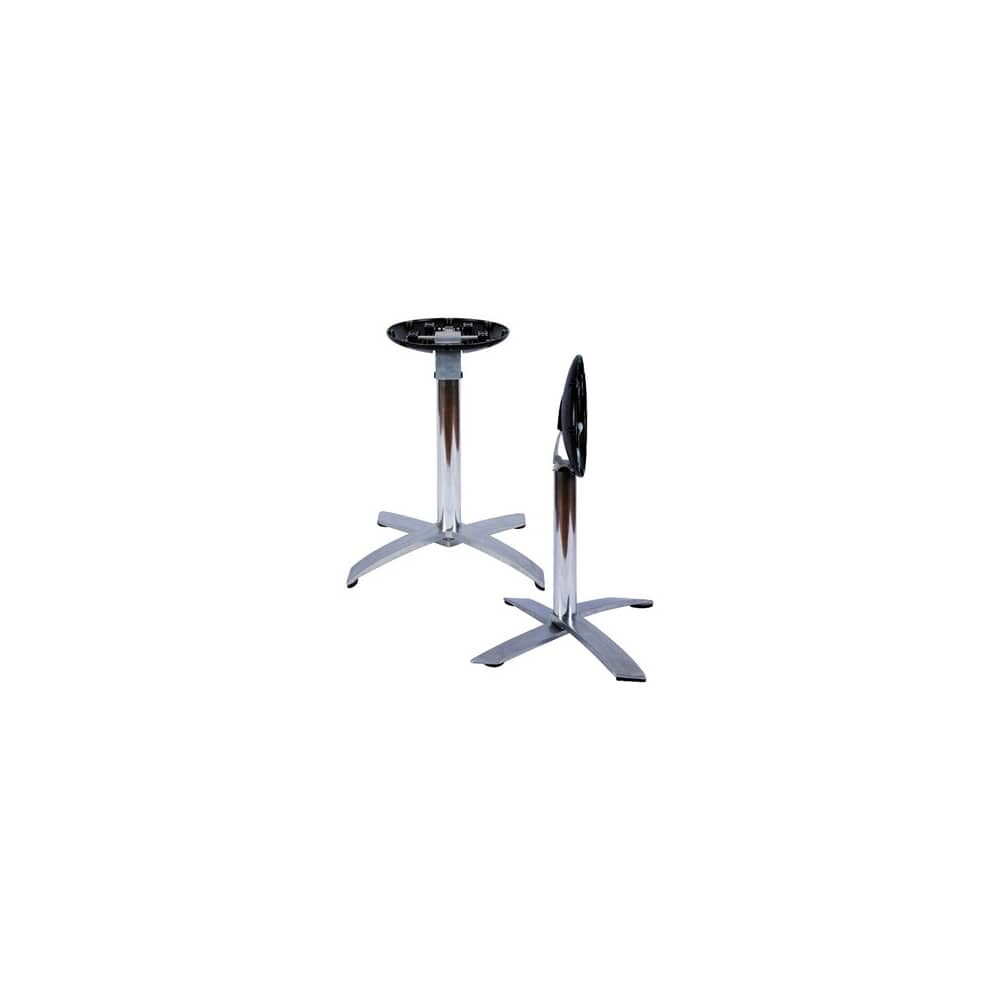
Table bases
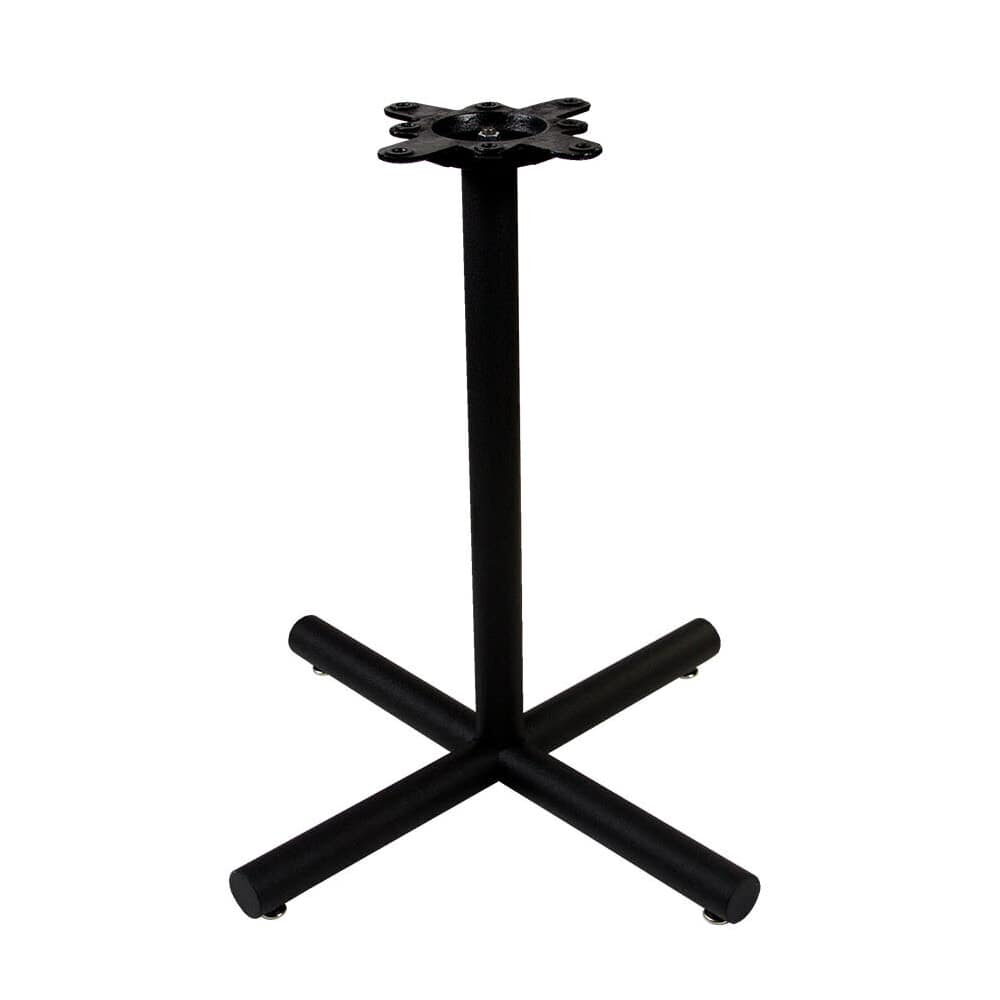
Table bases
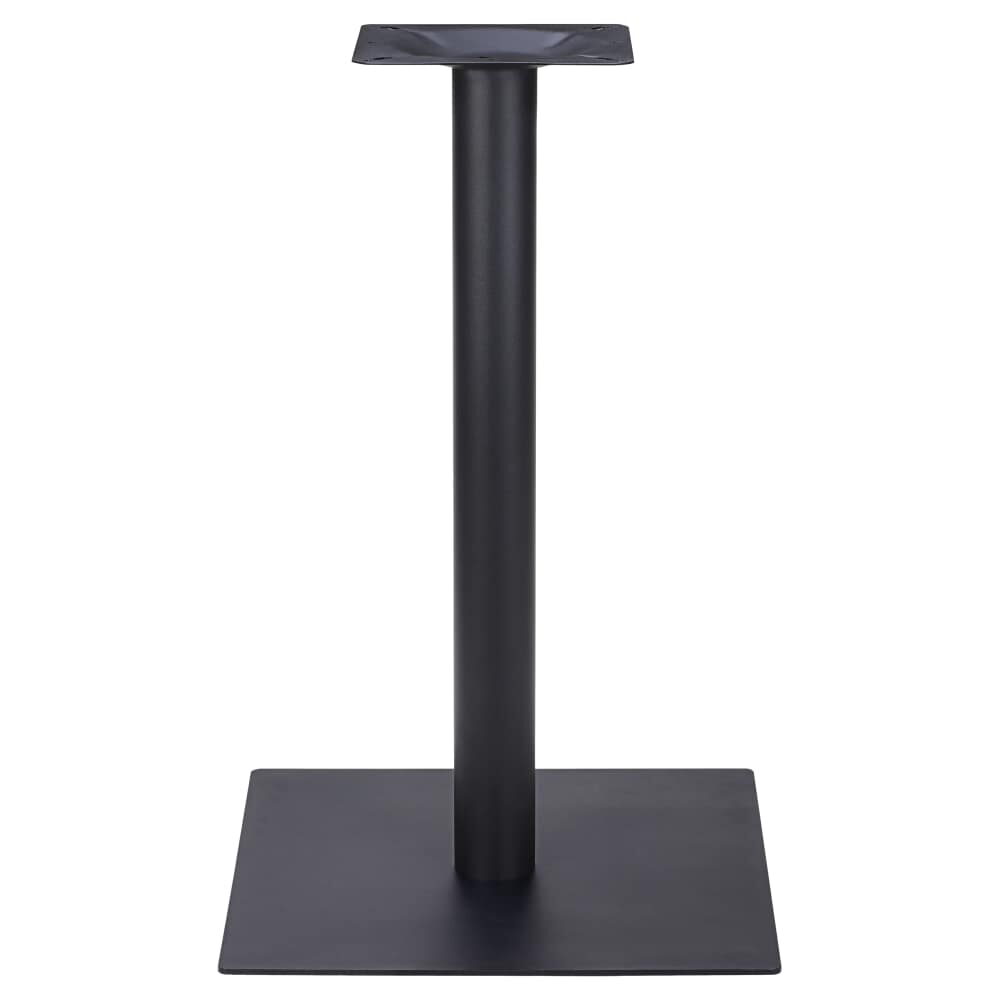
Table bases
Table bases
Table bases
Outdoor
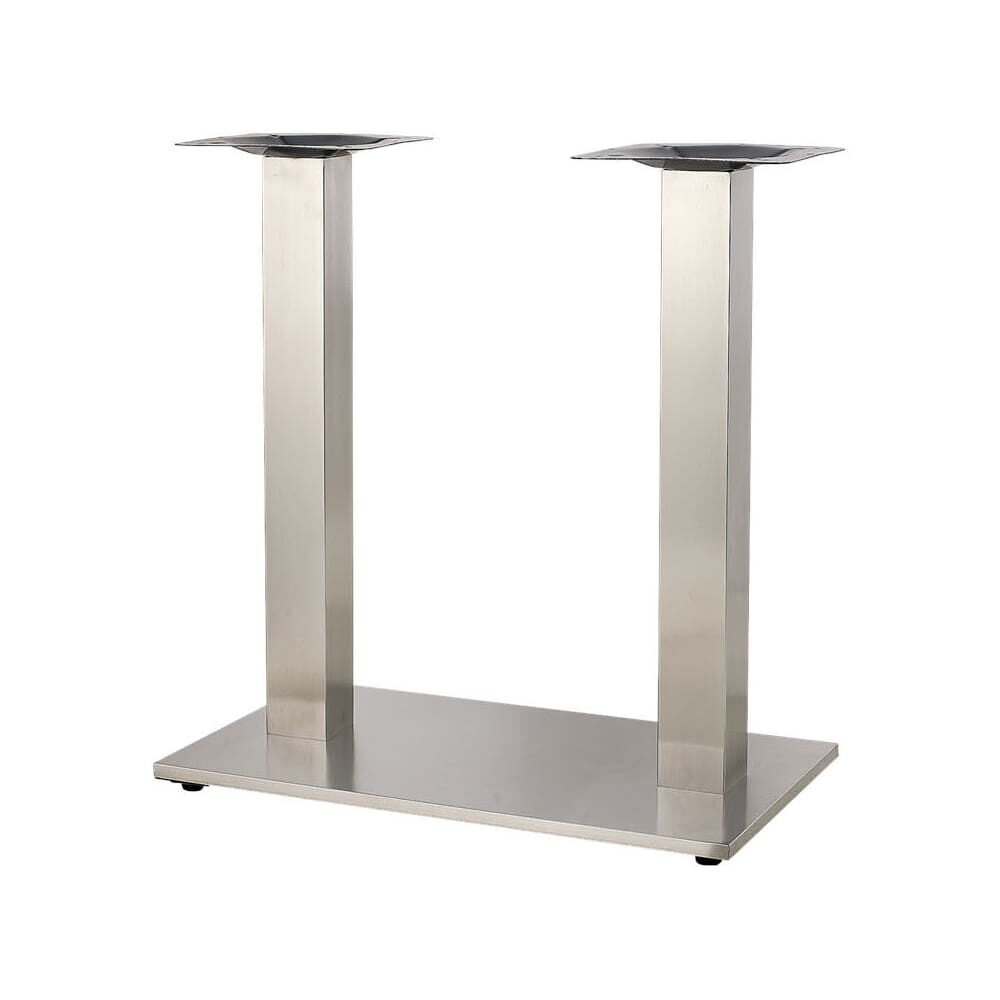
Table bases
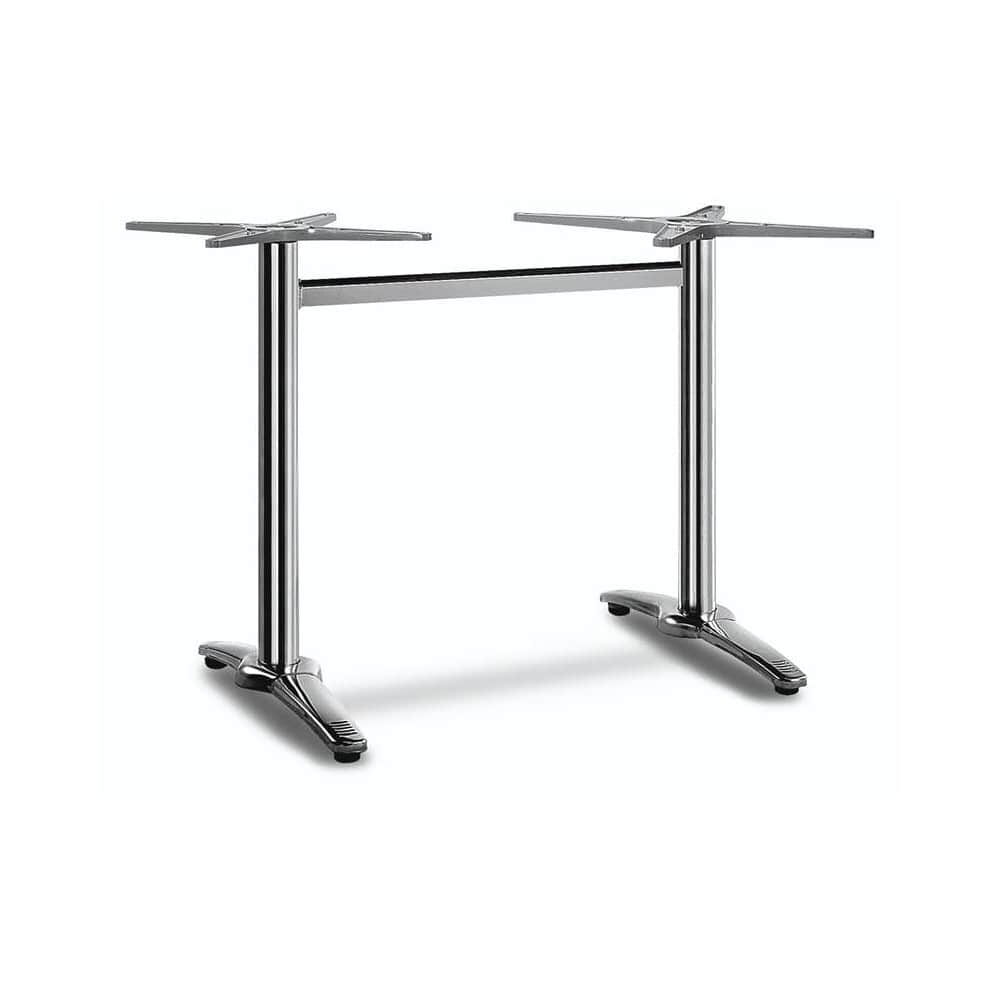
Table bases
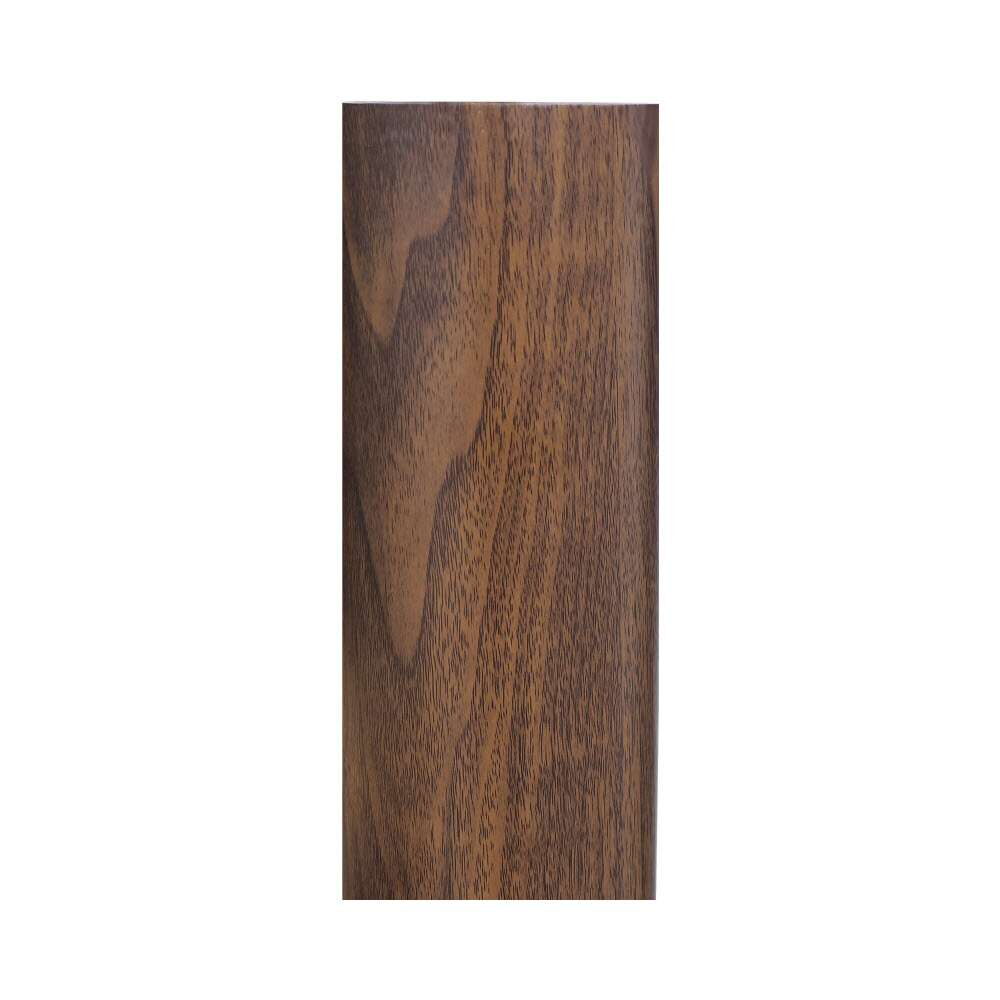
Table bases
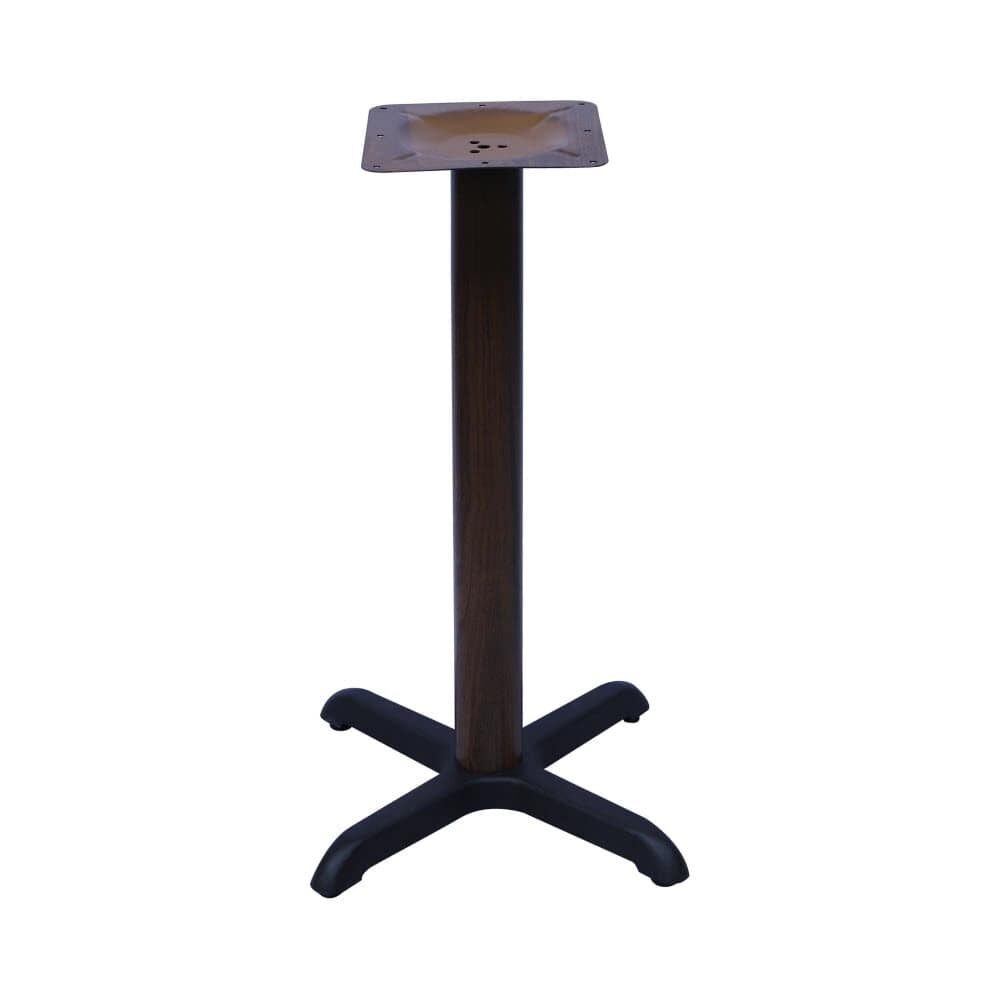
Table bases
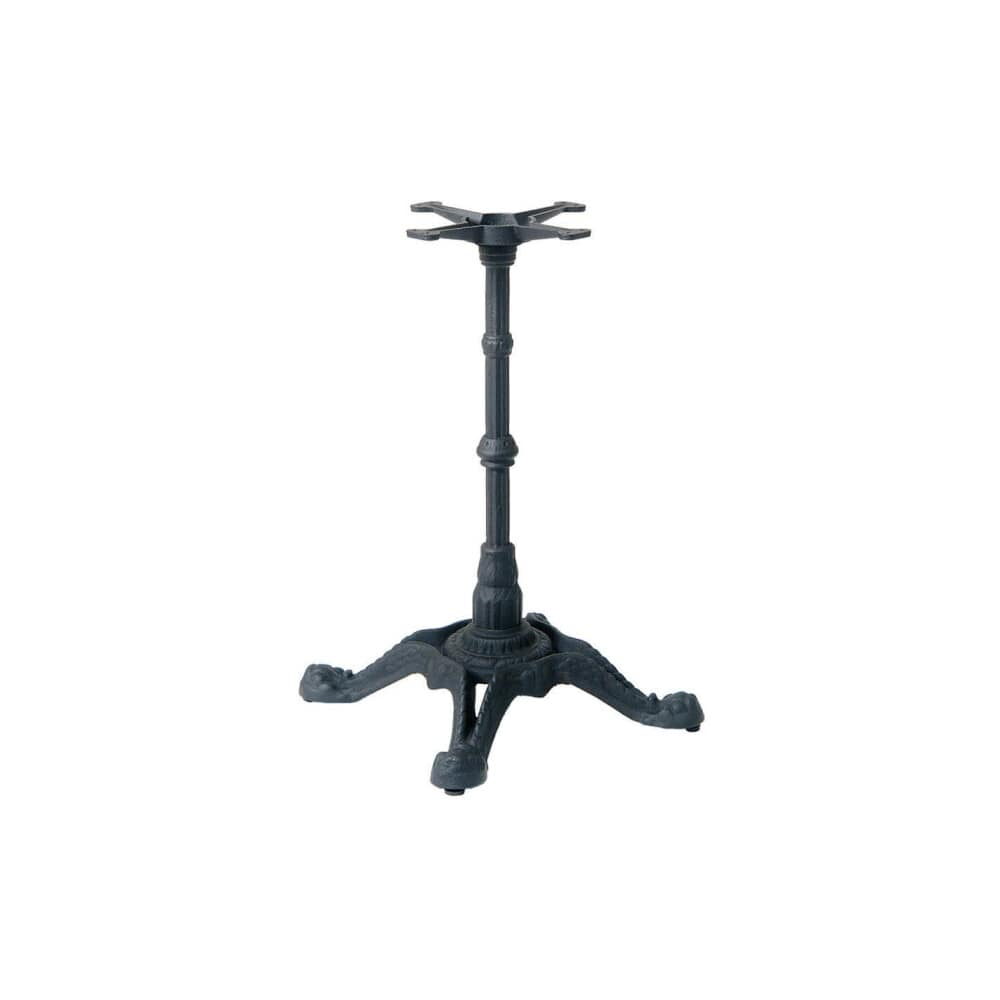
Outdoor
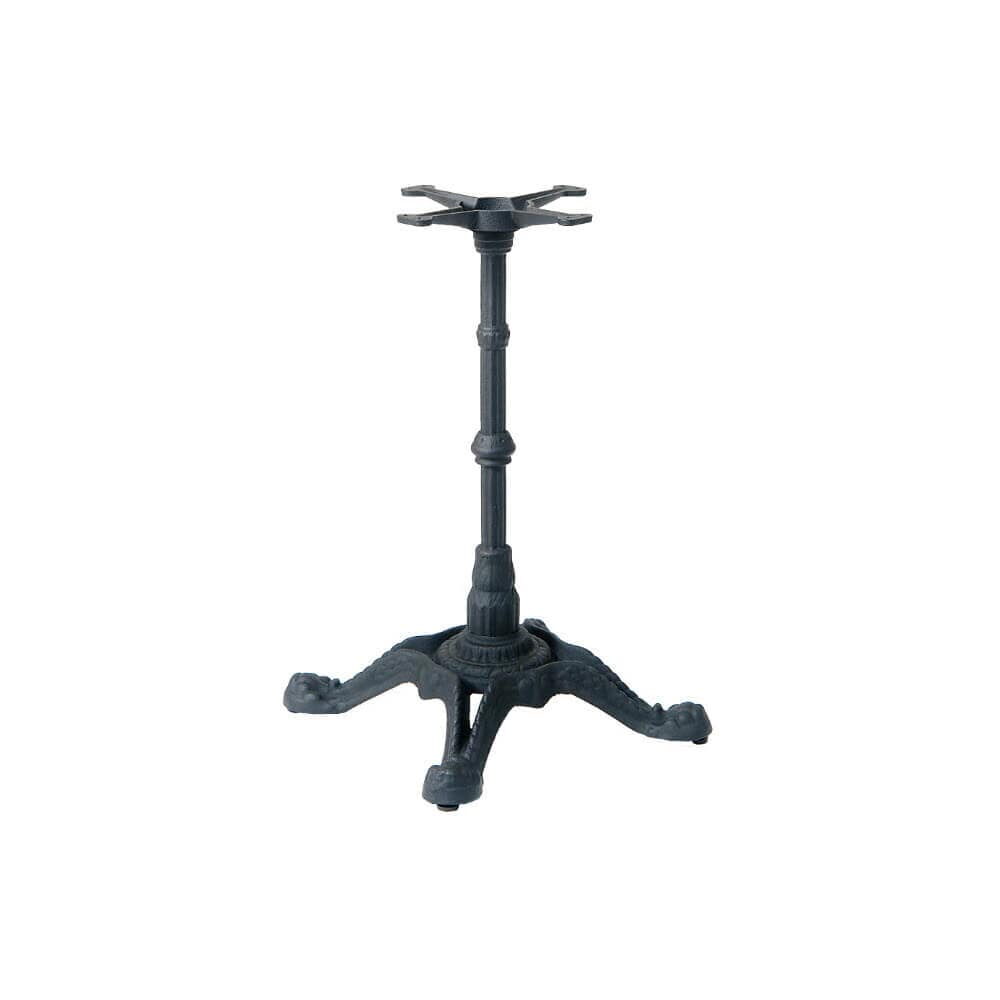
Table bases
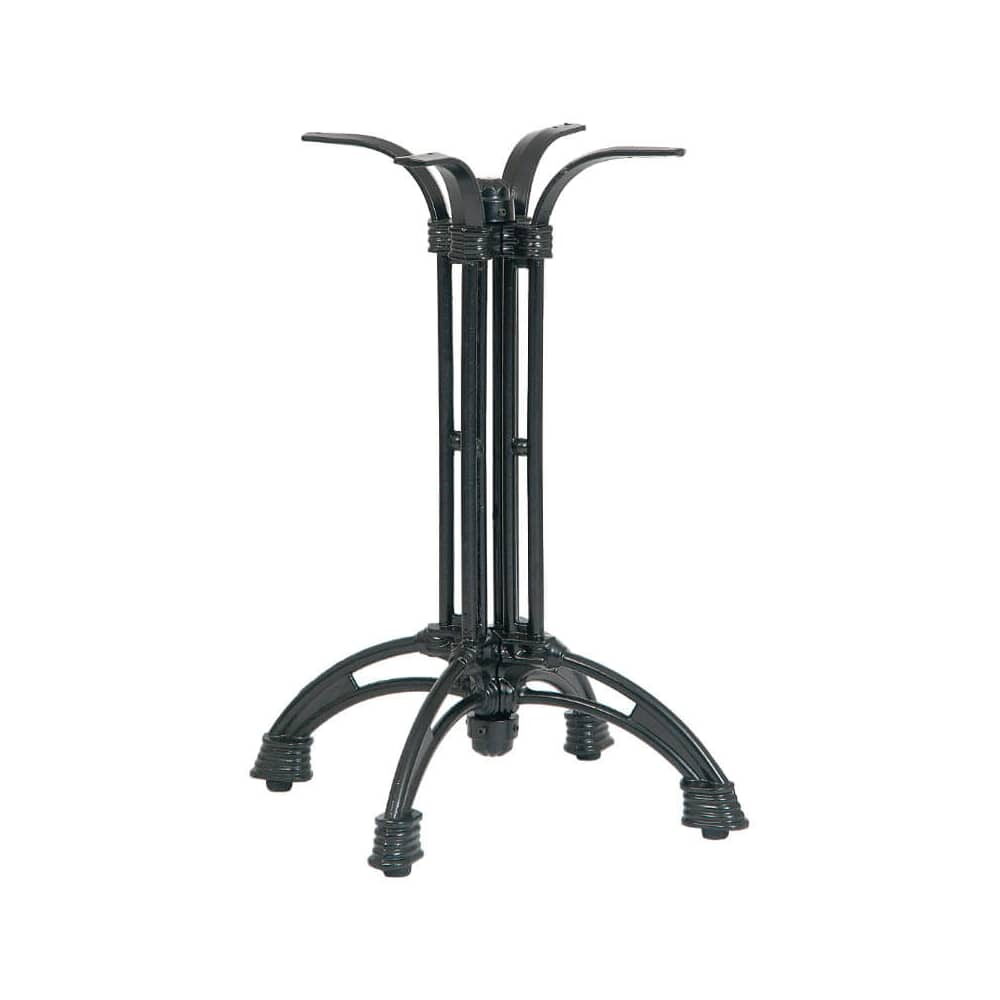
Table bases
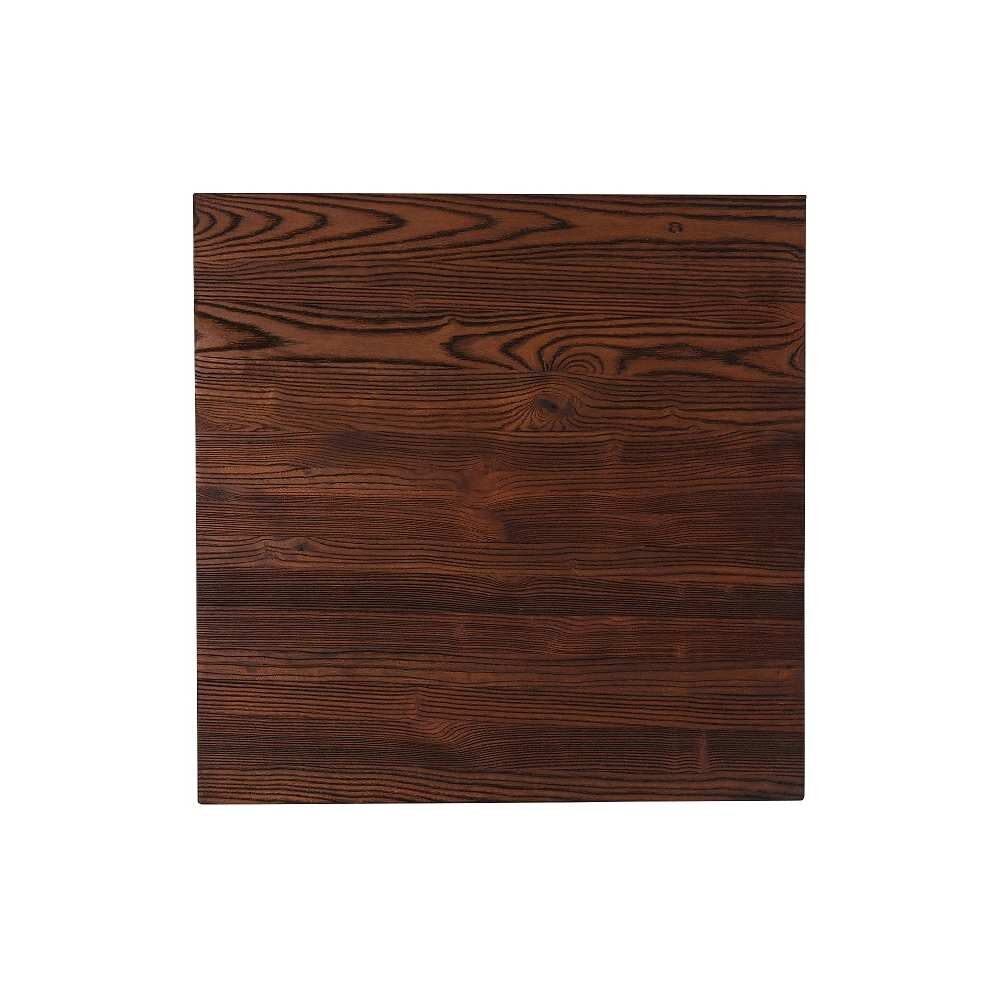
Table bases
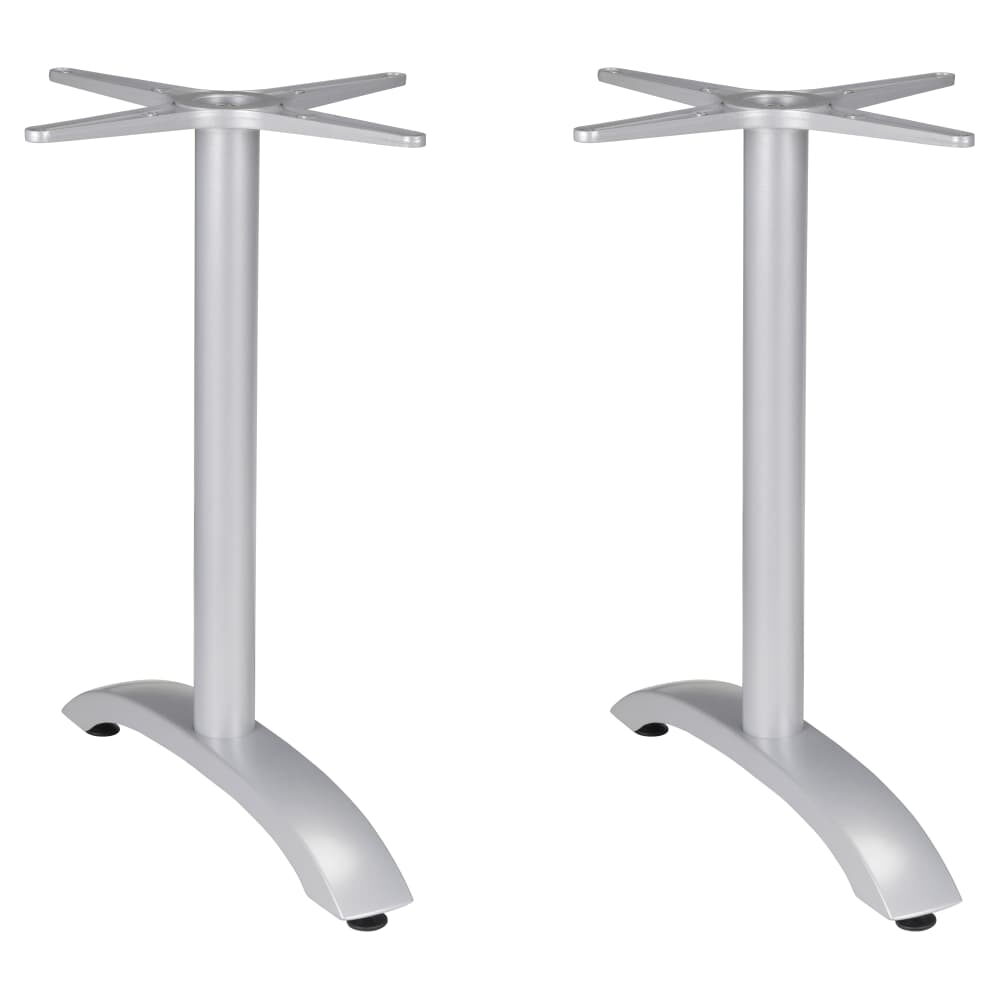
Table bases
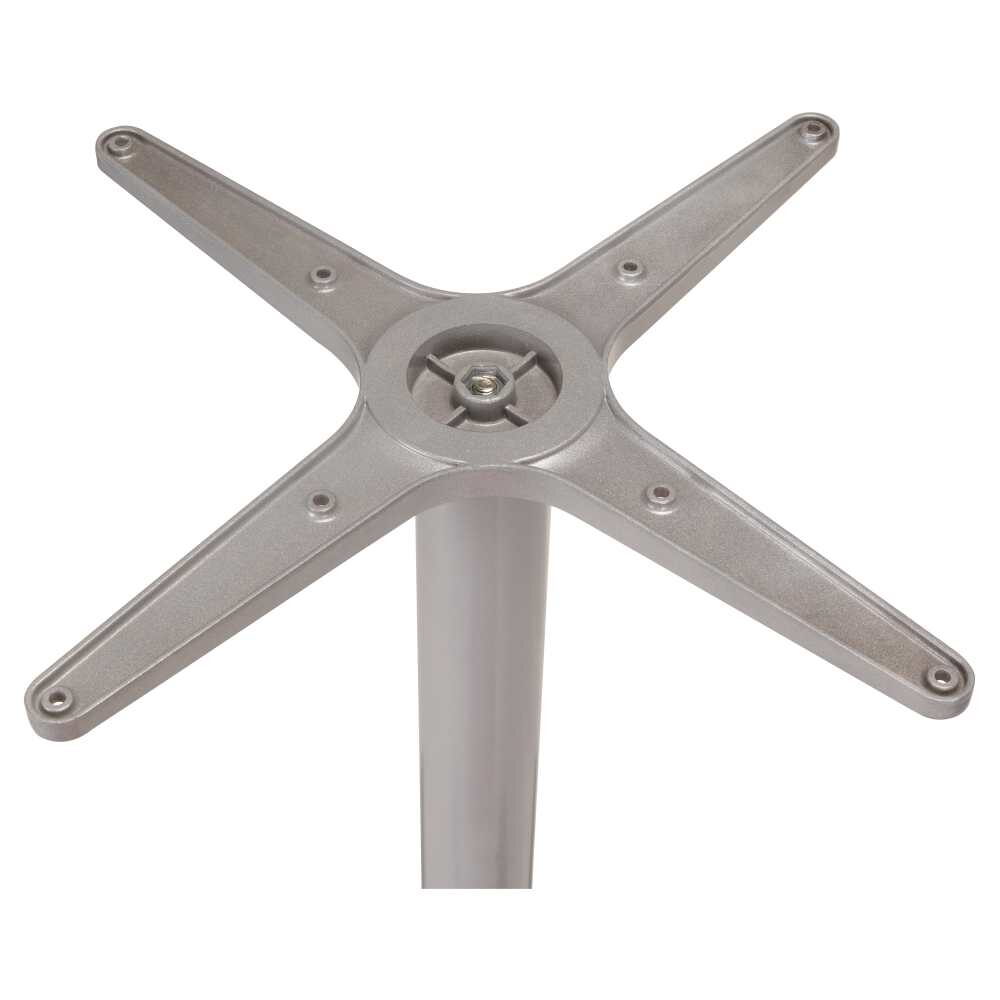
Table bases
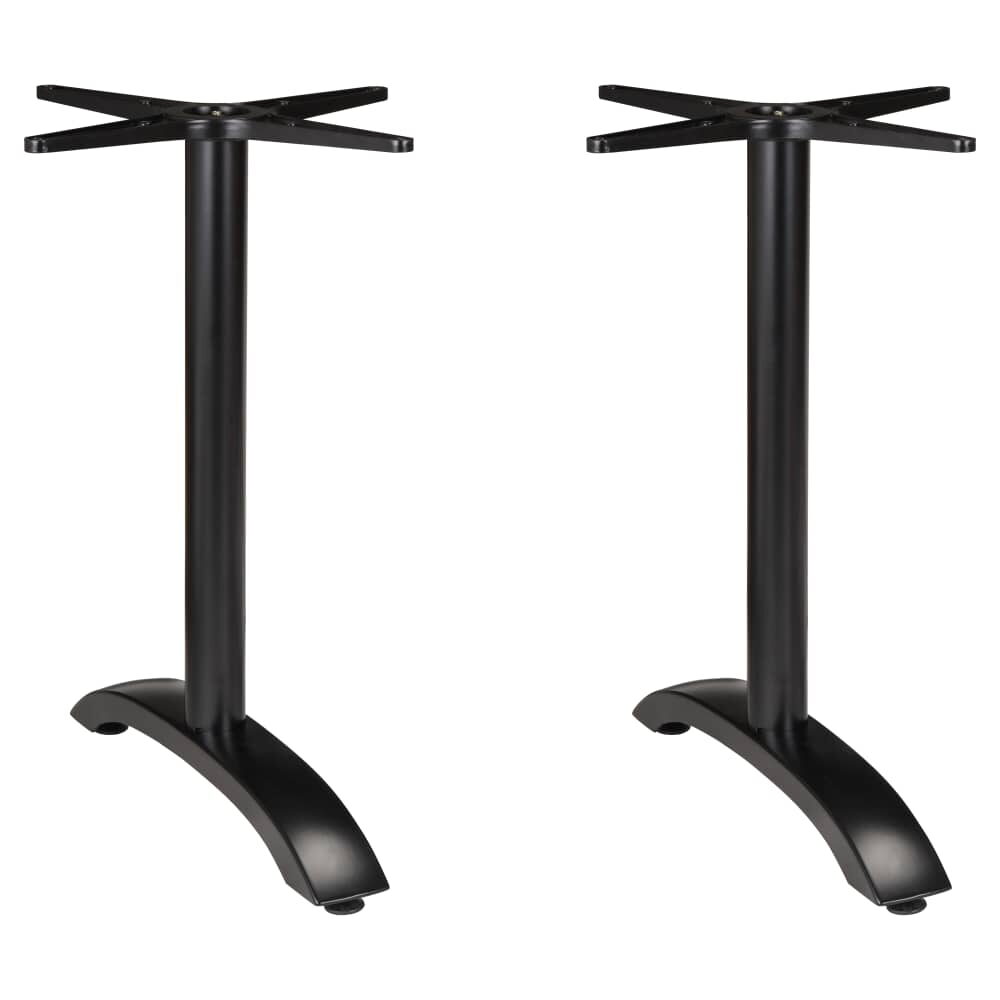
Table bases
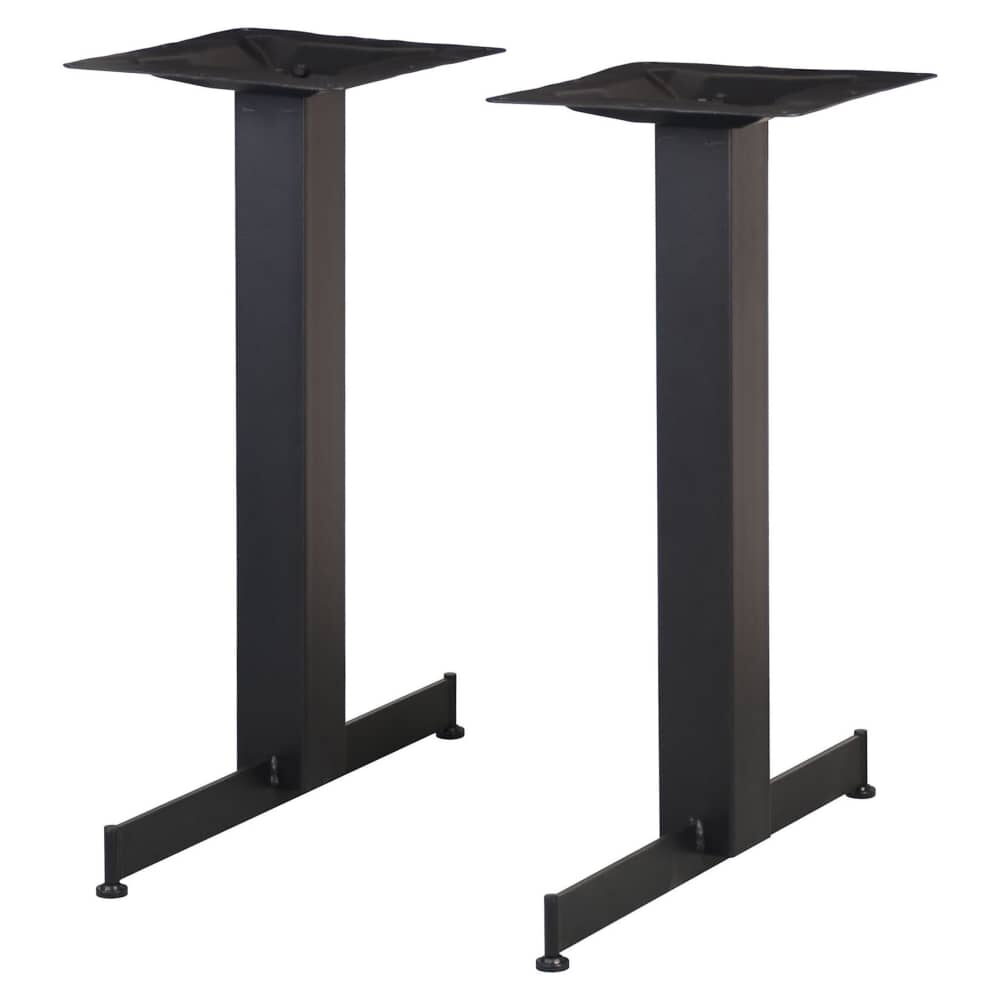
Table bases
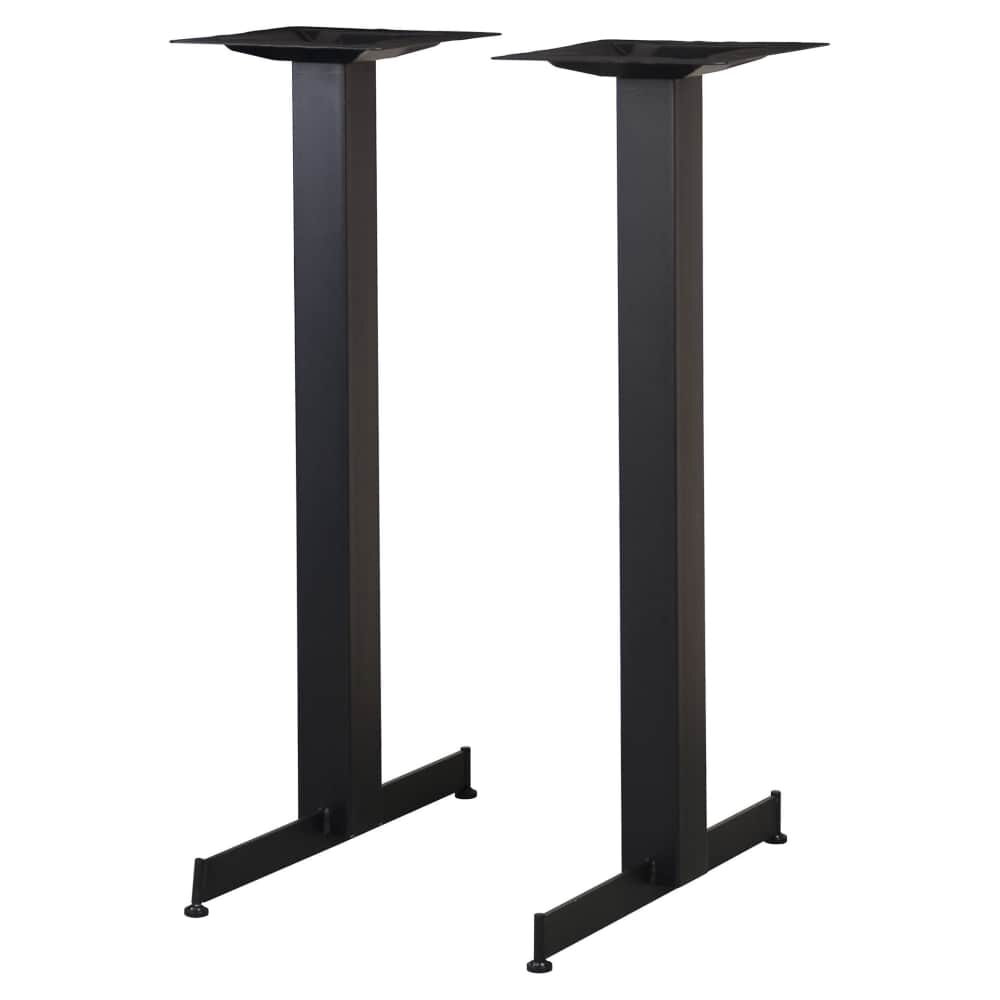
Table bases
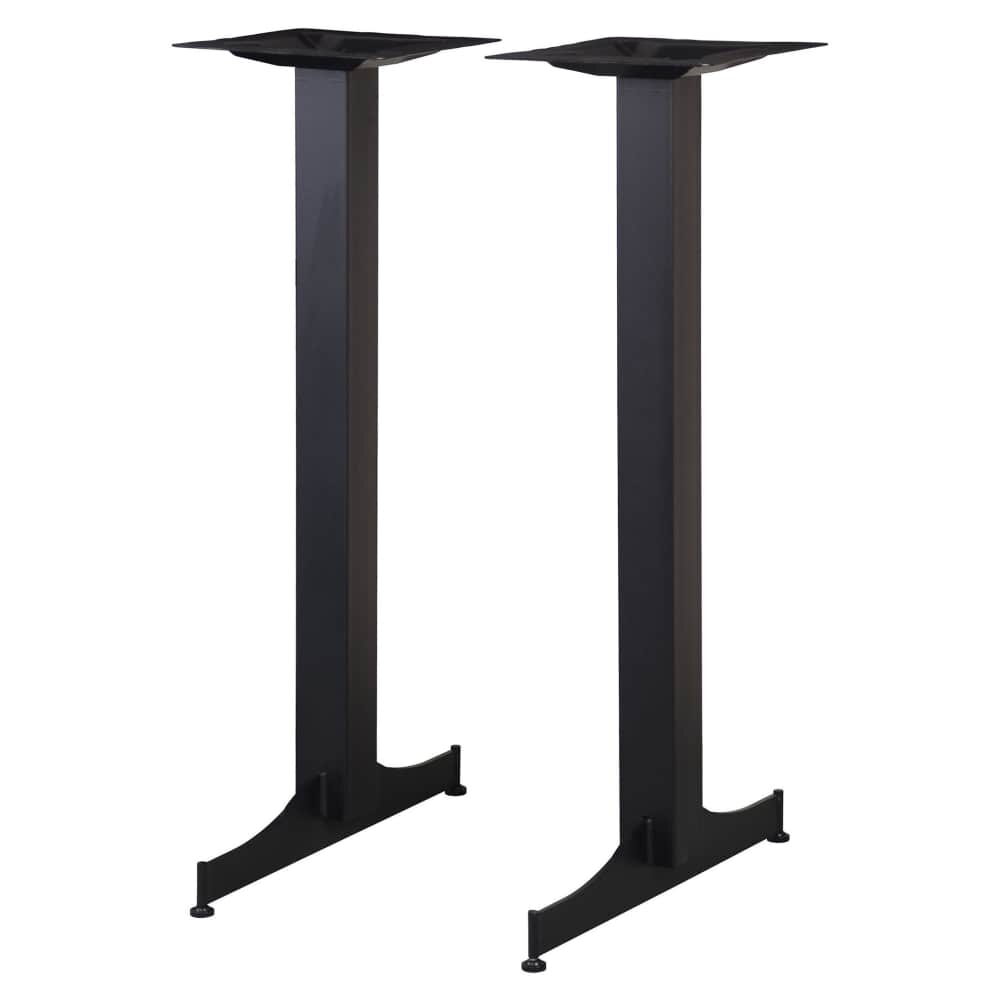
Table bases
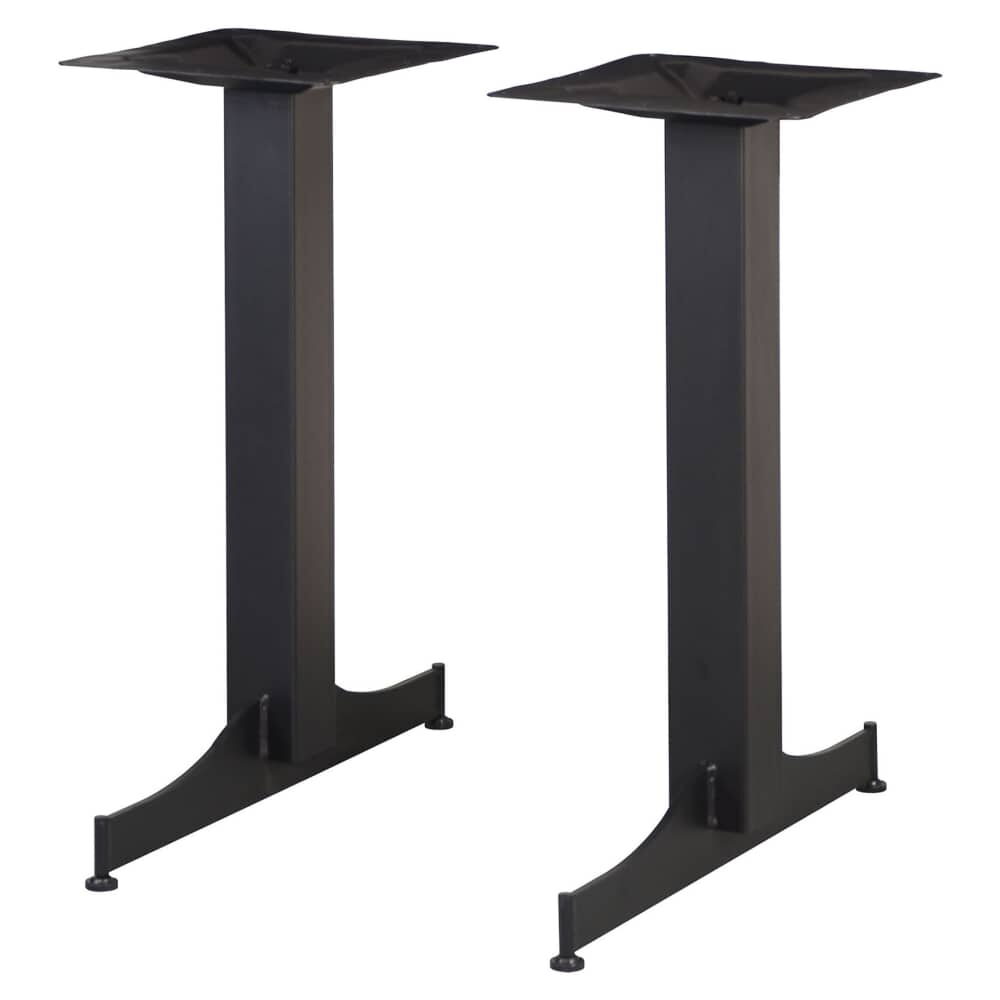
Table bases
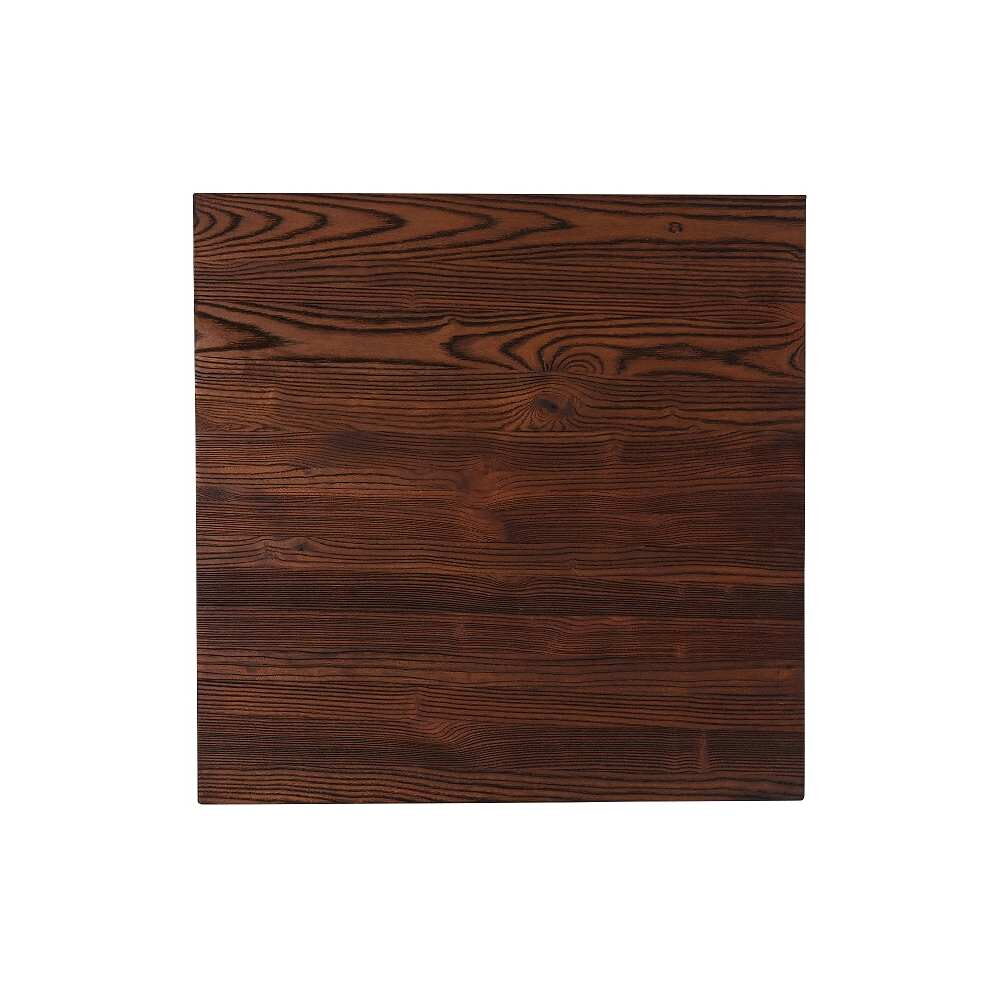
Table bases
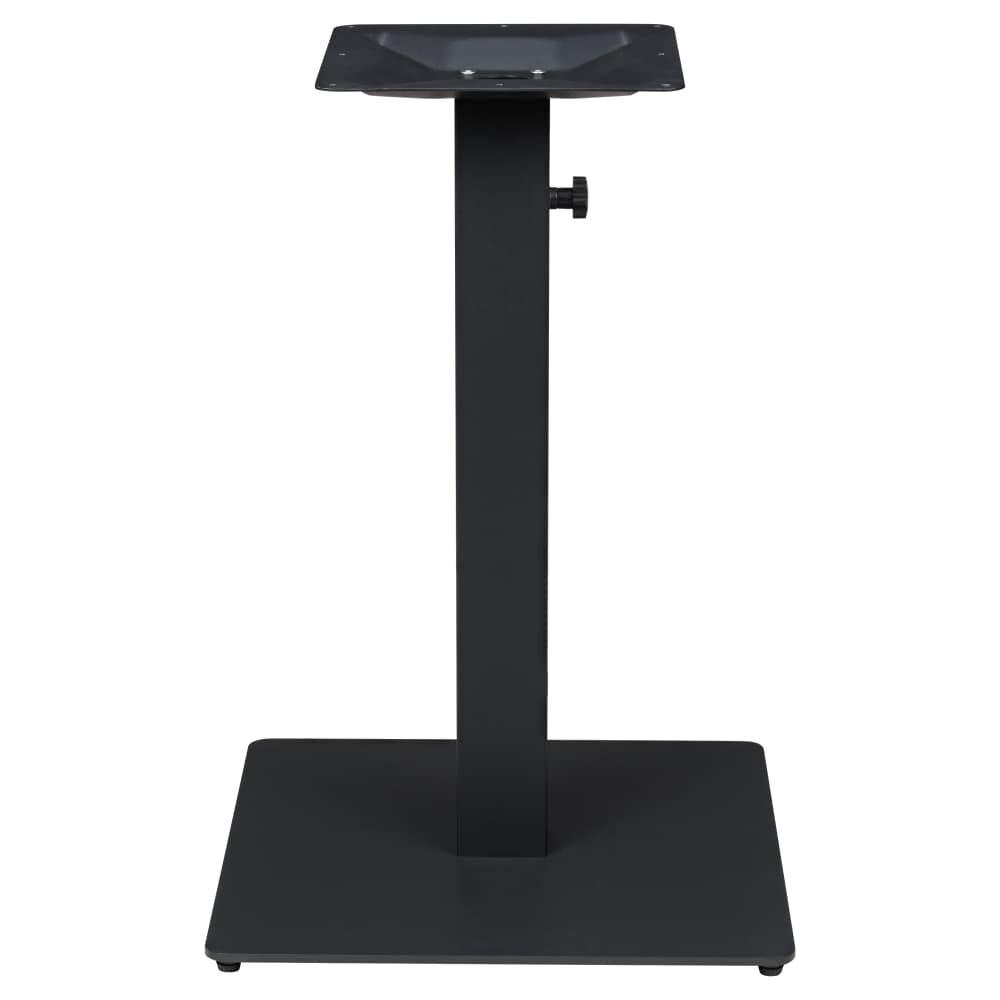
Outdoor
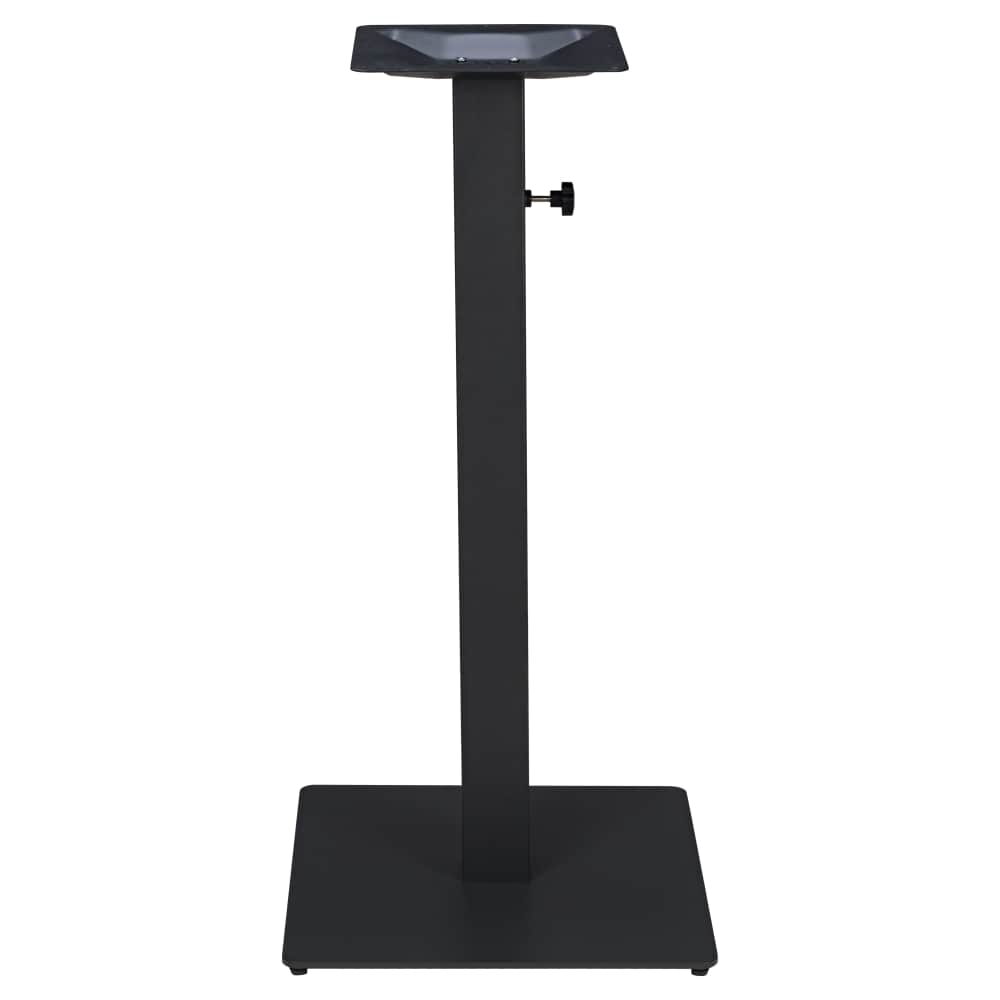
Outdoor
Restaurant table bases
Start with the seat count for the room and the way your team will set it. Then read the listed dimensions, the frame and the seat options, and whether a model is marked as stackable. A ballroom, a restaurant and a terrace each deserve their own line, so the order reads the way the property is laid out.
Spread matters more than style here, since a round top needs a base whose spread reaches at least two thirds of the top, so match restaurant table bases to the top before the finish.
Review the base height, footprint, and stated top compatibility before choosing the finish. Check the top material and mounting requirements as part of the same decision.
Look at where the feet, plate, or legs sit in relation to the chairs. The base needs to suit the table arrangement and the floor conditions, as well as the visual style.
A base works out of sight until somebody leans on the table. Here are 49 of them, at dining height and bar height, made of cast iron, chrome, aluminum, steel or stainless steel. Begin with the top that will sit on each one, since its size and shape decide the spread, and the spread decides whether the table stands steady.
A round top needs a base whose spread covers at least two thirds of its width. Beneath a 36-inch round that means about 24 inches; beneath a 48-inch round, about 32. For square and long tops, the X-prong table bases send their arms out toward the corners, and the round table bases sit naturally under a round.
Column height comes next. For dining, the finished surface belongs near 29 or 30 inches, the height meant for the standard table bases. A high top in the lobby bar finishes at about 40 to 42 inches and needs one of the bar-height table bases.
Cast iron makes up the largest group with 15 bases. Six are aluminum, six steel, three chrome and two stainless steel. Cast iron table bases are the classic choice for a dining room where the tables stay in place from breakfast to dinner. Aluminum and chrome read lighter beside metal chairs.
Knees need room too. The 2010 ADA Standards for Accessible Design (section 306) set knee clearance at no less than 27 inches of height, 30 of width and 19 of depth, and section 226.1 asks for at least 5 percent of dining seats at accessible surfaces. Treat those as general guidance and check the current standard and the local code for your project.
Every base here is listed for indoor use, and 9 also carry a patio listing. Only those go out to the terrace. The outdoor table bases are the shorter route to them, though the usage line on each listing is still the one to read.
Under a long cloth at a banquet, the guest never sees the base. In a lobby cafe or a breakfast room without cloths, it is in plain view all day, and the statement bases are made for those rooms.
Single bases start around $43 and reach $222. Note the top size beside each base on your property plan, so the two arrive as a matched pair and the setup crew is not left fitting parts that disagree.
Table bases carry a 1-year warranty period against defects in materials and workmanship at delivery, under normal commercial use.
Related reading