Table bases
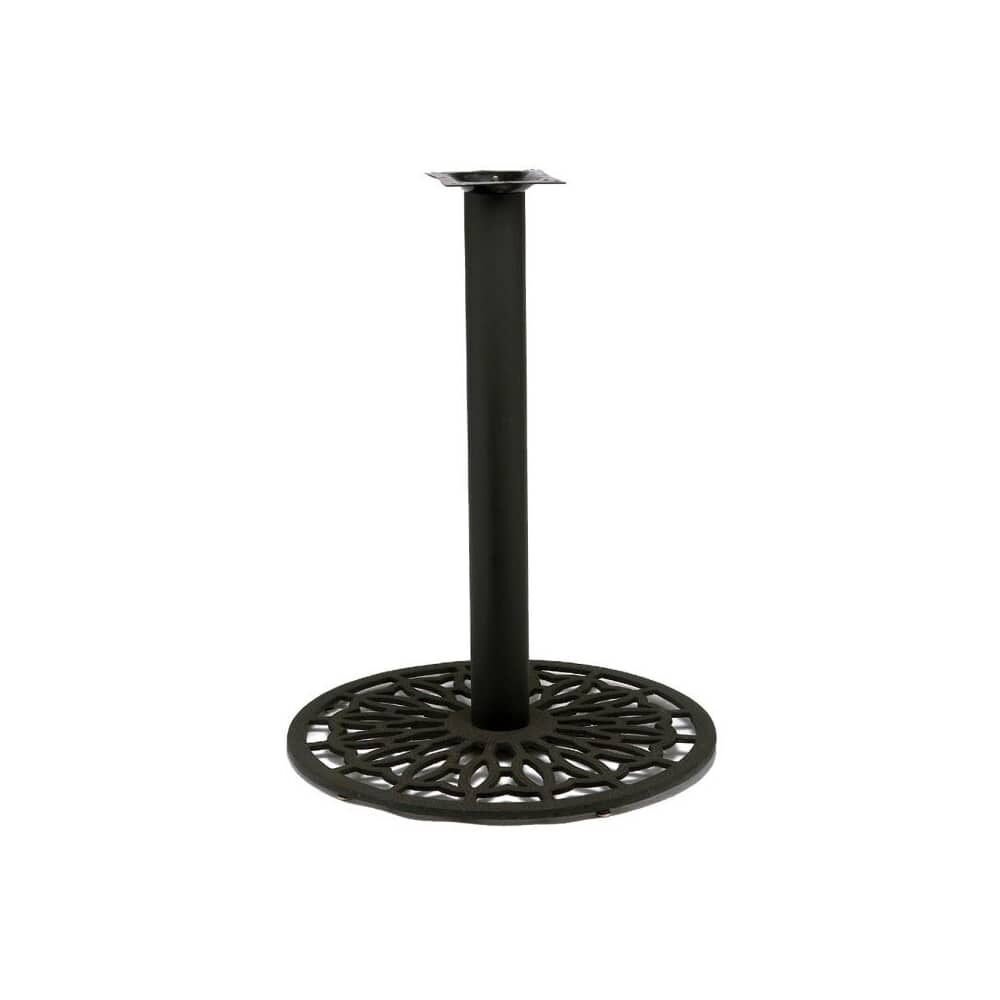
Designer Series Victorian Round Table Base in Cast Iron
- Cast iron base
- Indoor use
From $108.00Set the options
CompareCount the room, then choose the chair.
Some tables stand bare all day: a lobby cafe at mid-morning, a breakfast room without cloths, high tops near the bar windows. Their base is on view the whole time. The 23 bases here are gathered for those rooms, made of cast iron, steel, stainless or aluminum.
23 listed products · Prices in USD · Options on each product
A closer look at this selection
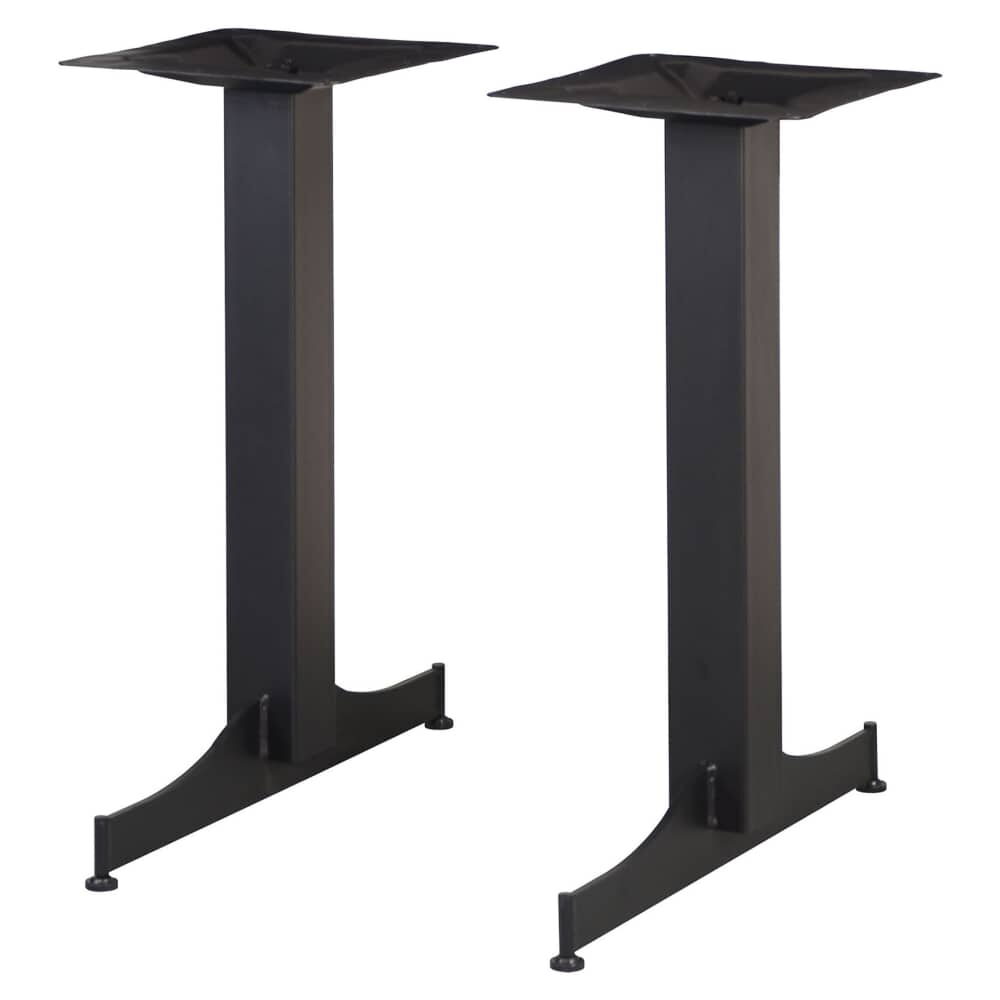
Actual product images. Open a piece to see its available options.
Table bases
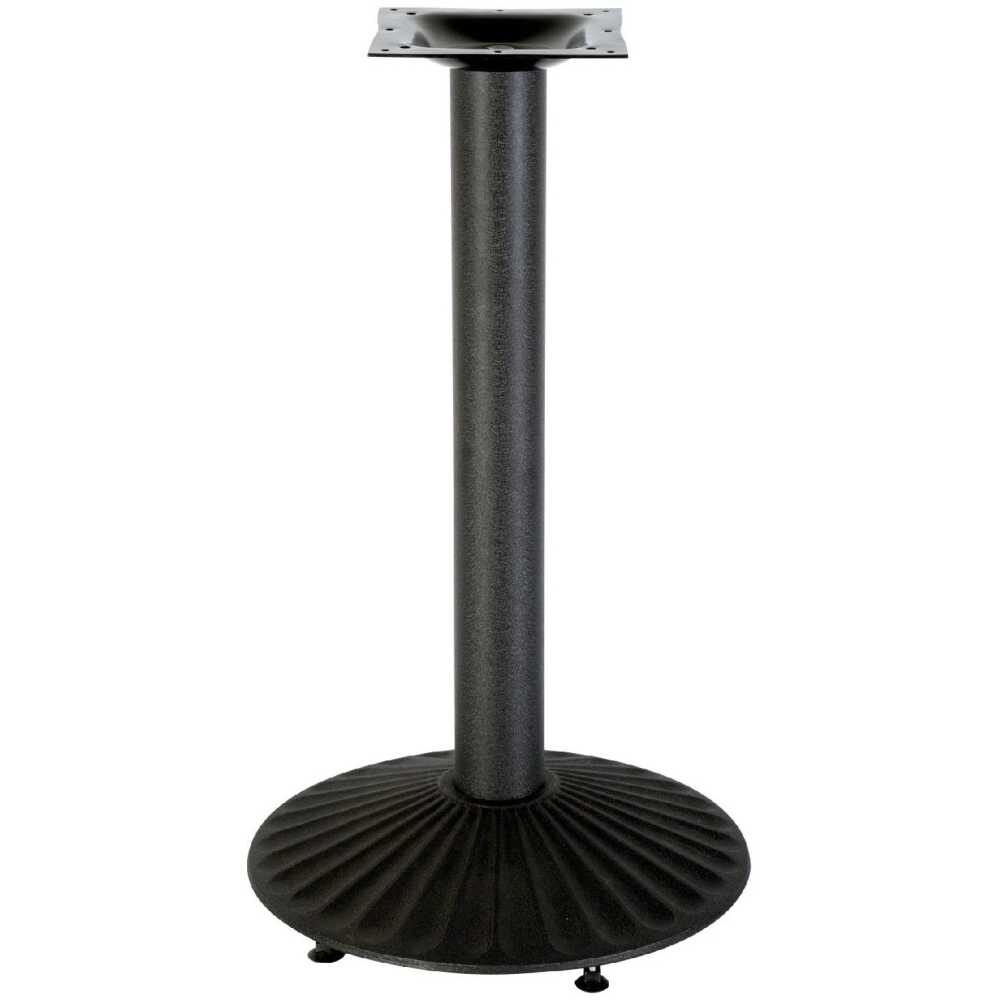
Table bases
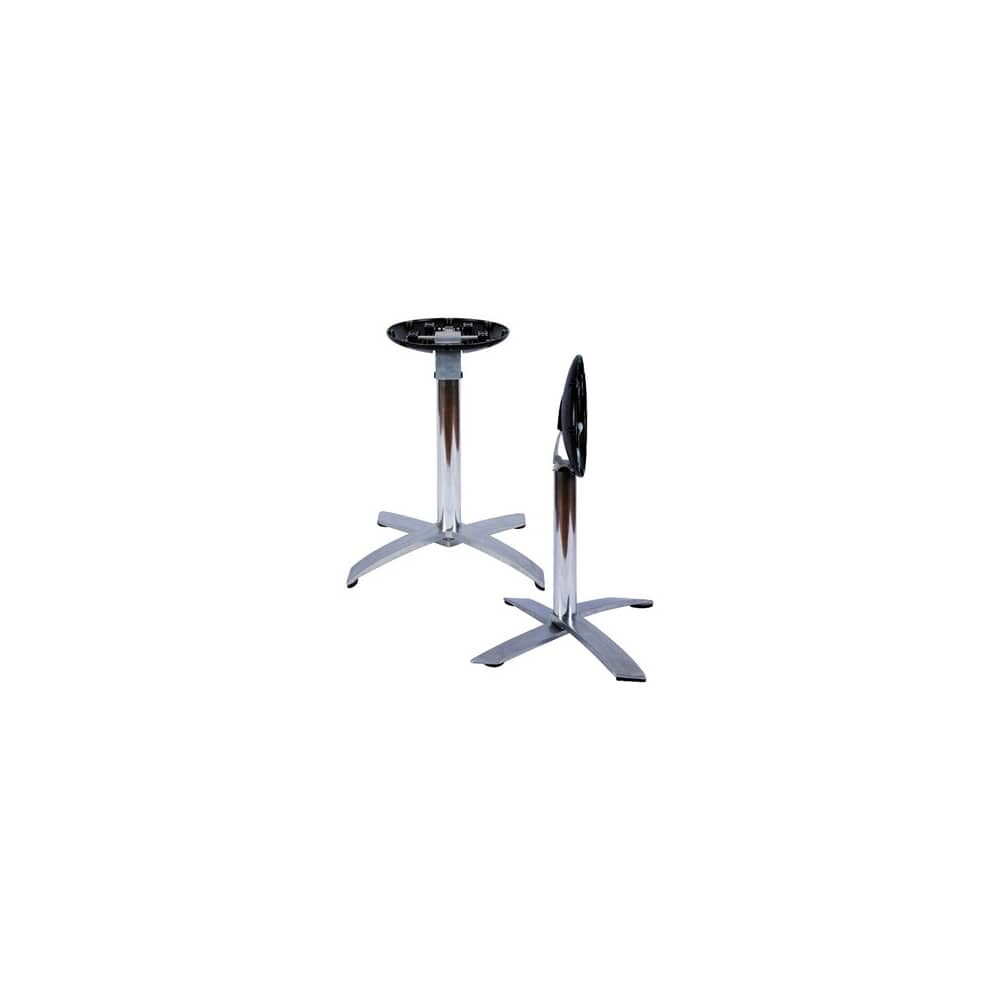
Table bases
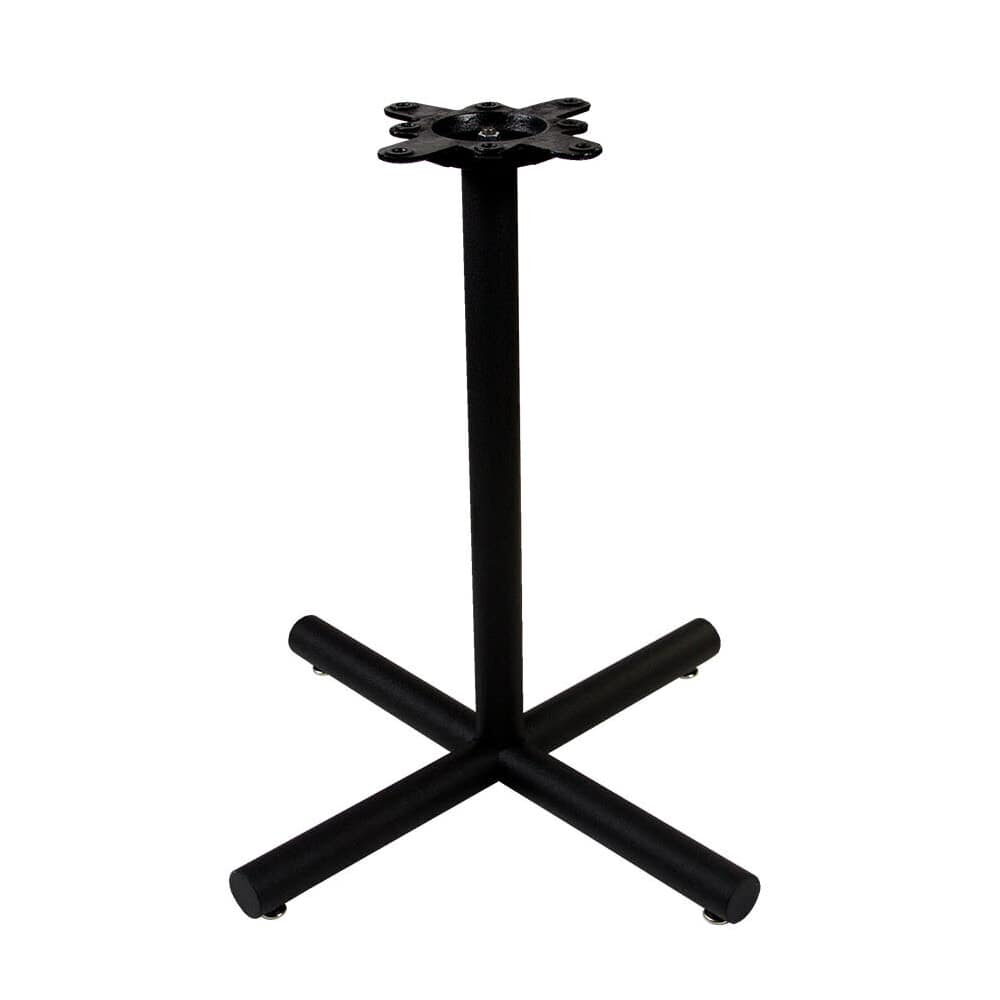
Table bases
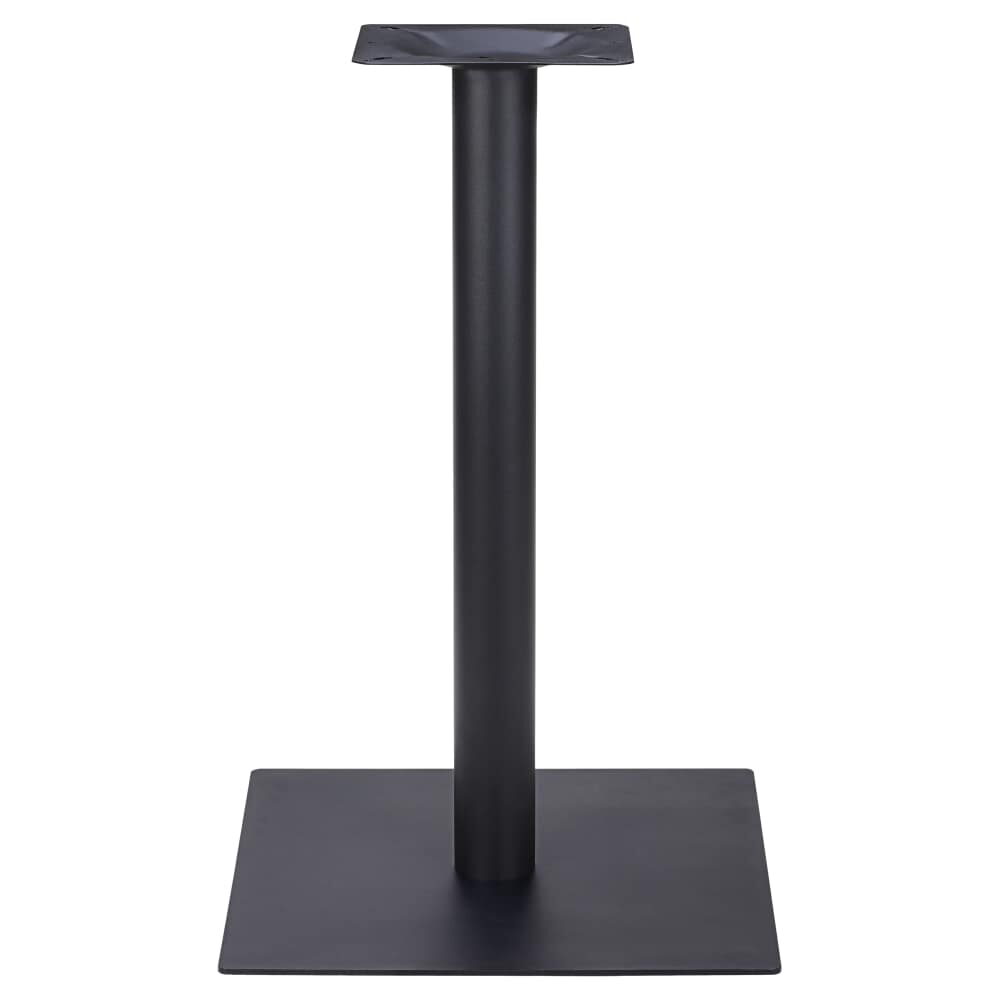
Table bases
Table bases
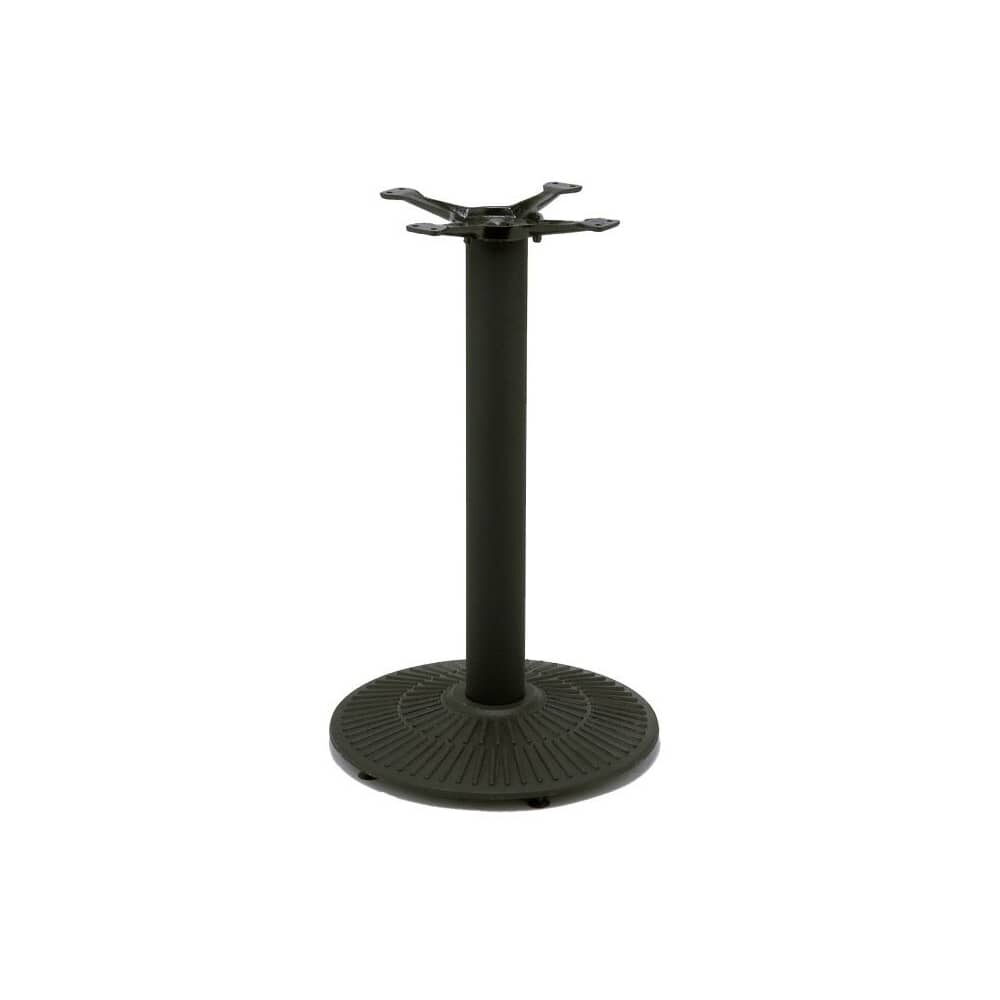
Table bases
Outdoor
Table bases
Outdoor
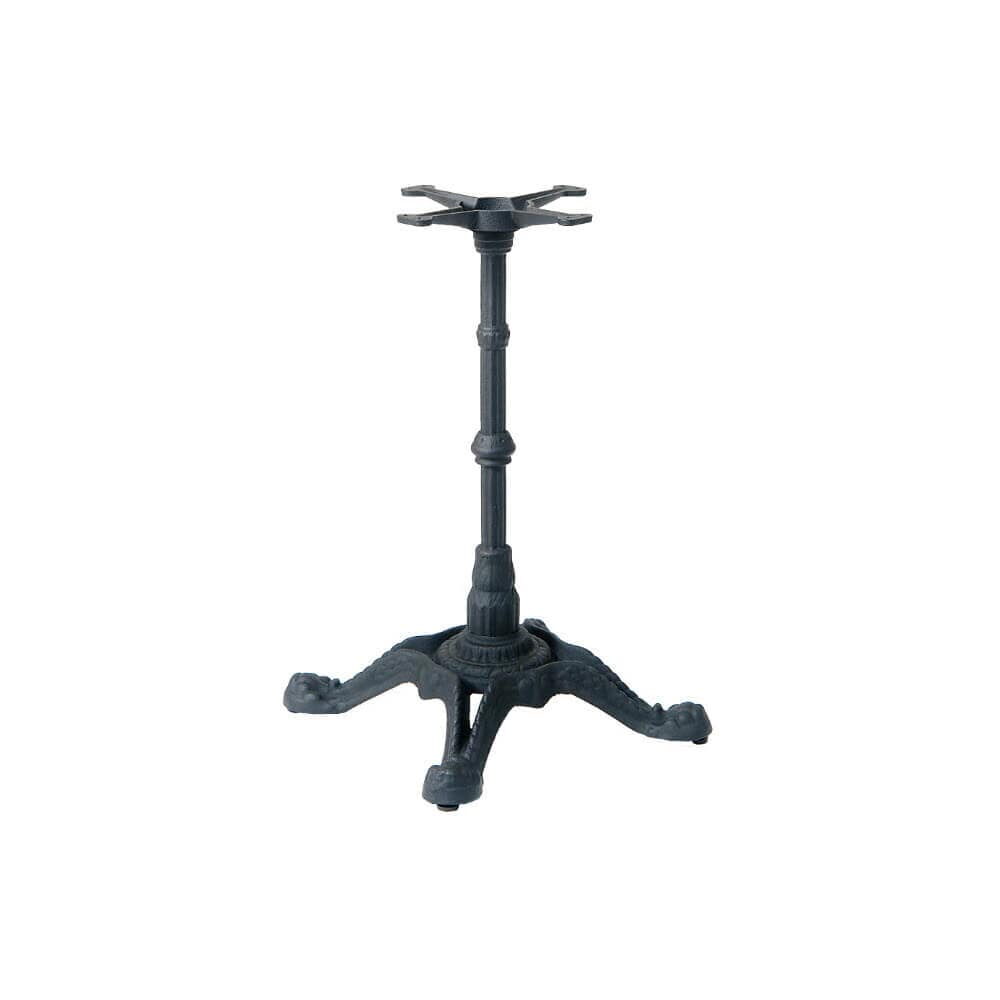
Table bases
Table bases
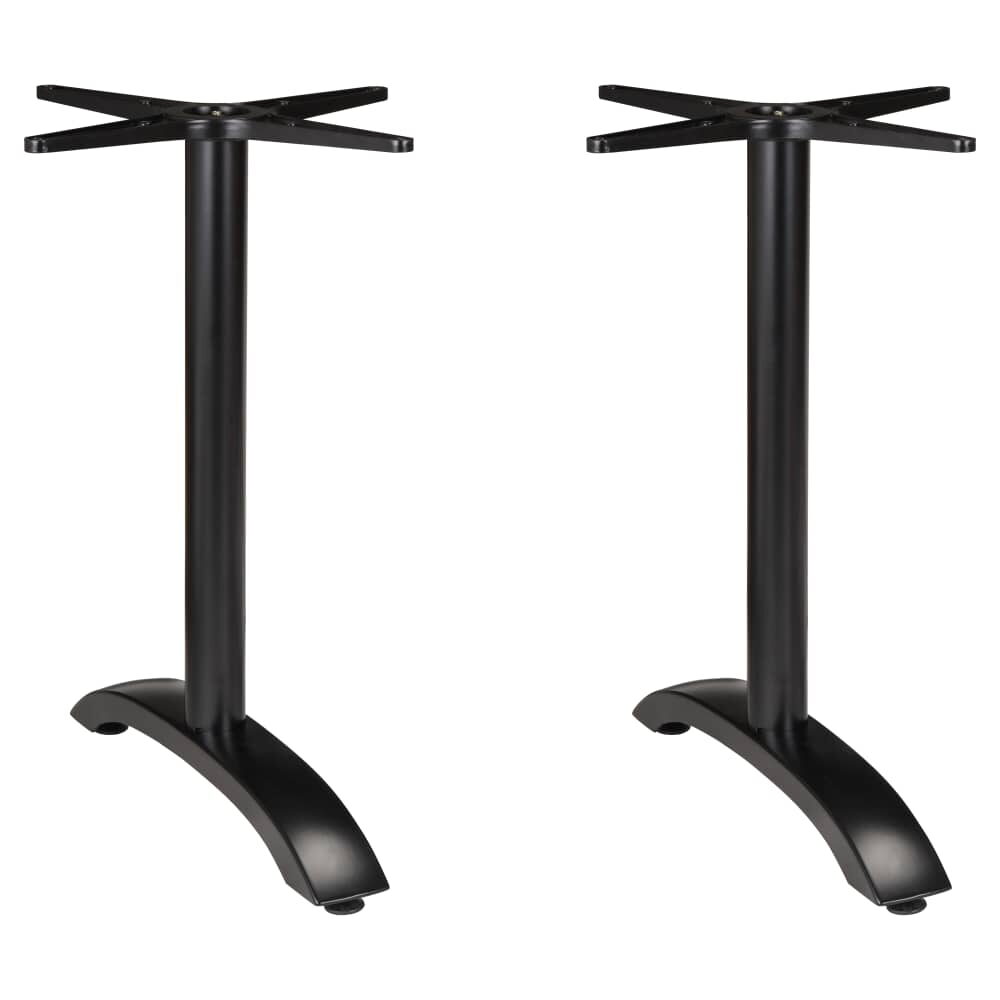
Table bases
Table bases
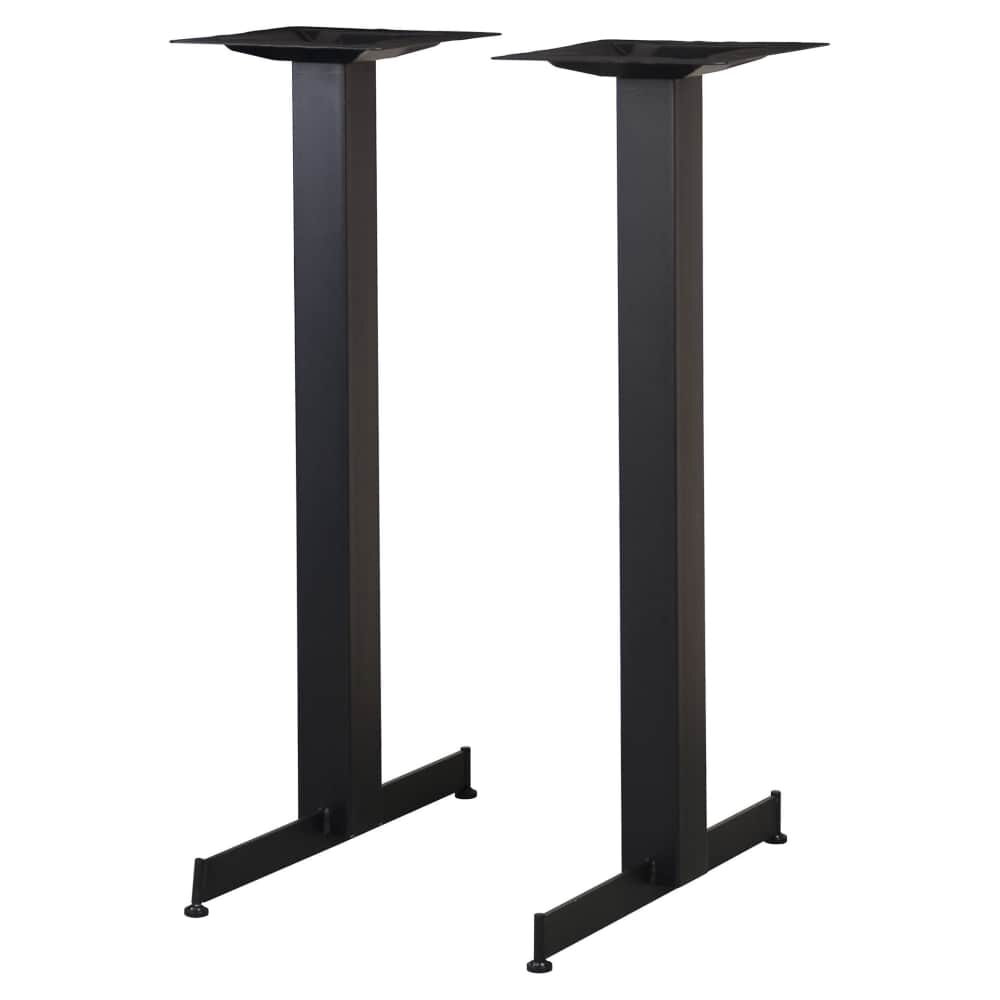
Table bases
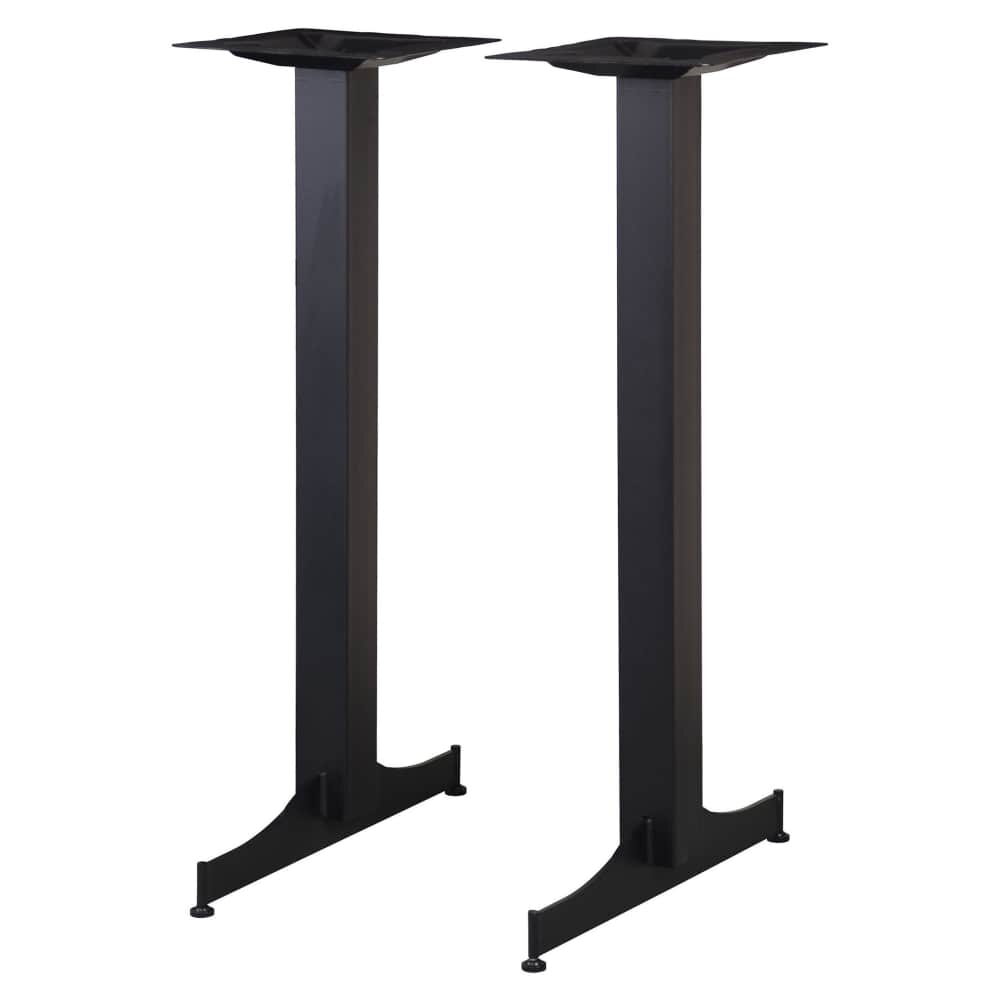
Table bases
Table bases
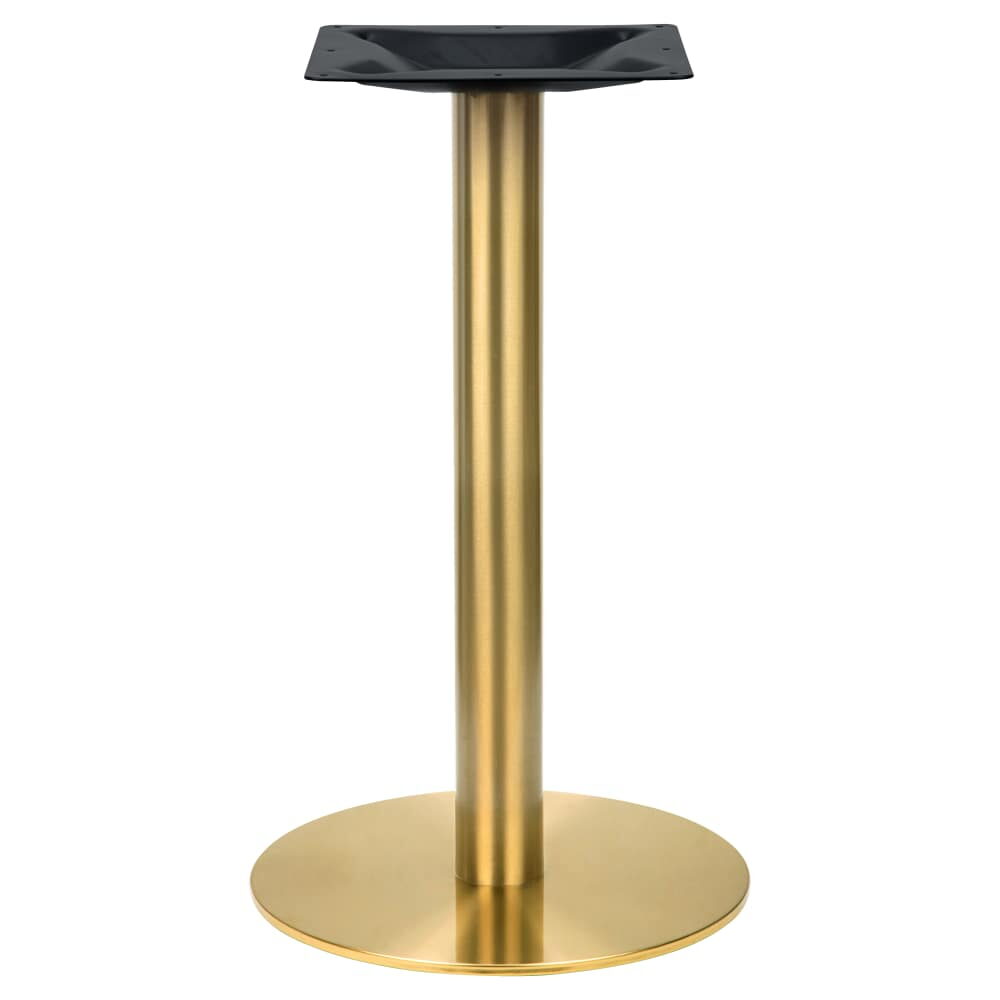
Outdoor
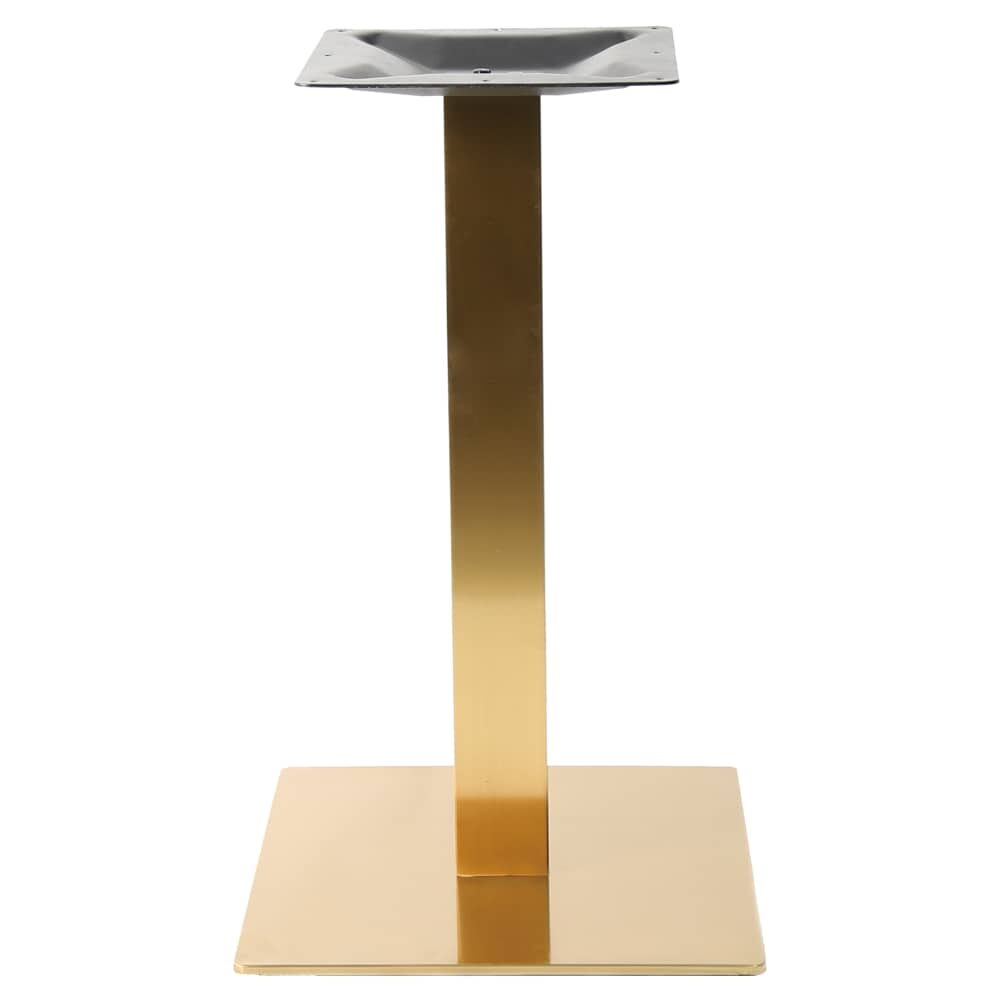
Table bases
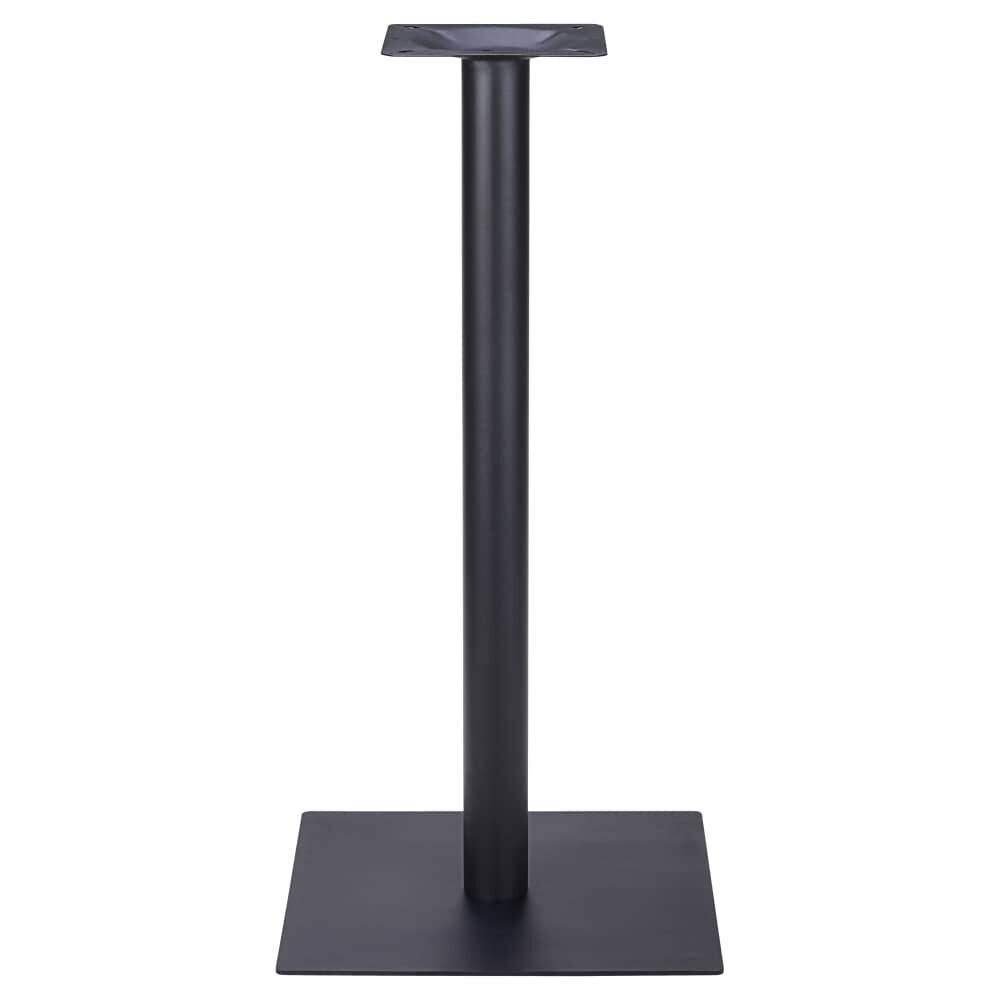
Table bases
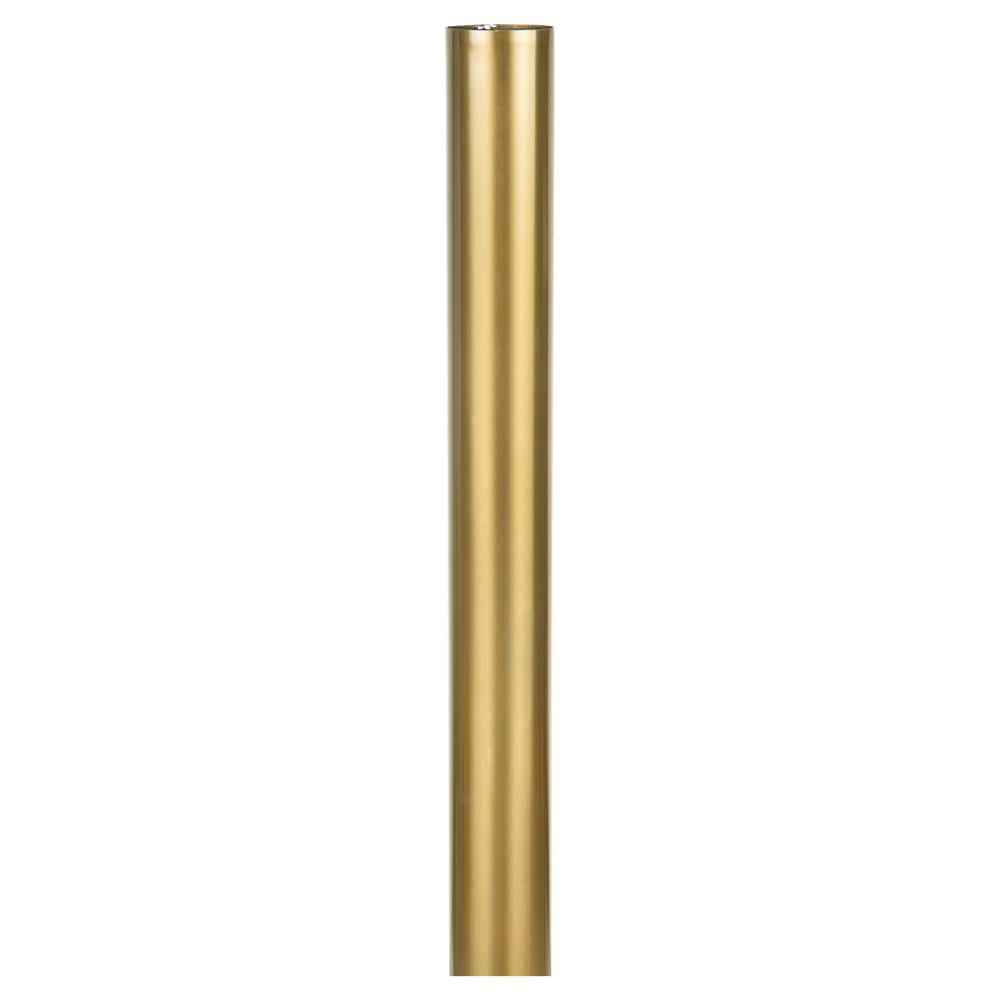
Outdoor
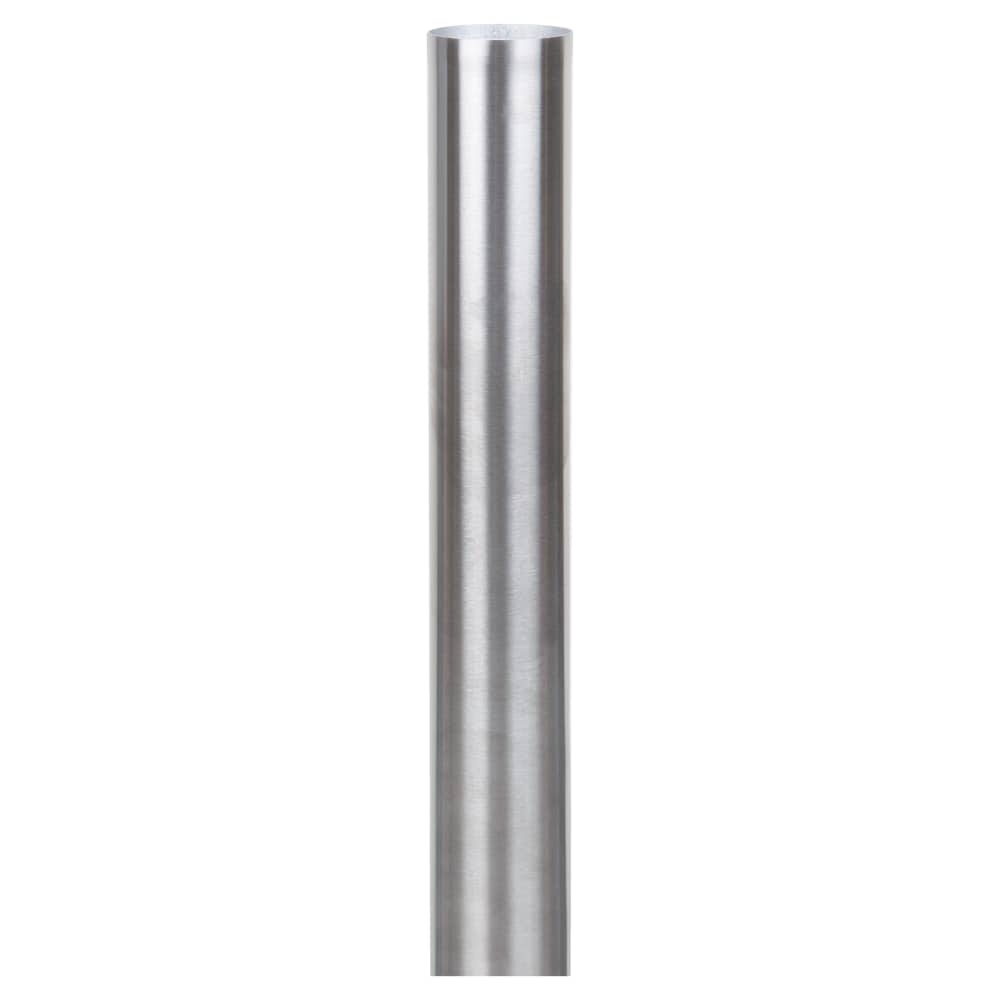
Outdoor
Decorative table bases
Start with the seat count for the room and the way your team will set it. Then read the listed dimensions, the frame and the seat options, and whether a model is marked as stackable. A ballroom, a restaurant and a terrace each deserve their own line, so the order reads the way the property is laid out.
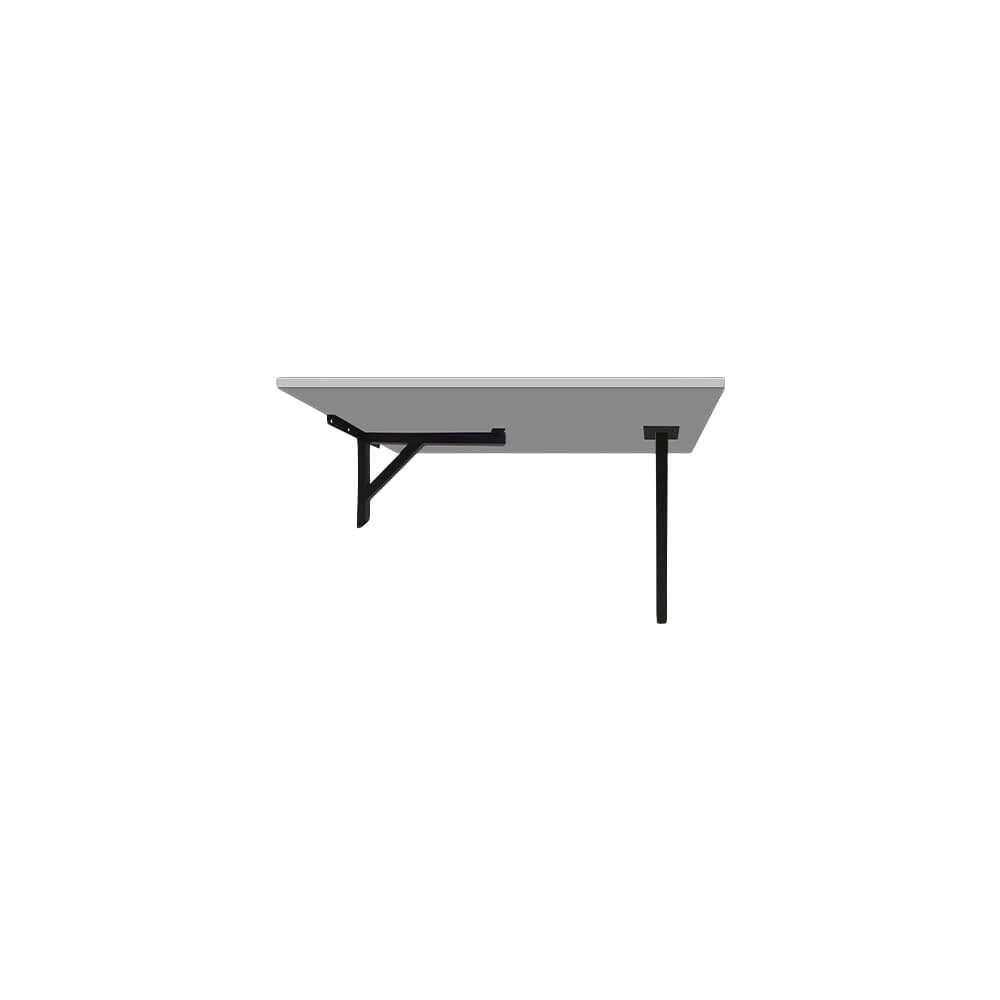
When the base is in plain view, as in a lobby or an open breakfast room, decorative table bases carry the look. The cantilever base lists tops up to 36 inches long on its 21-inch arm and 48 on its 27-inch arm; confirm the top size of the others before you pick.
Look at the full width and shape of the feet, not only the column. Compare that footprint with chair placement and the space guests need to approach and leave the table.
Match the base height, mounting requirements and stated top compatibility before choosing decorative details. If a listing leaves the supported top size or material unclear, ask for confirmation for the exact combination.
Some tables stand bare all day: a lobby cafe at mid-morning, a breakfast room without cloths, high tops near the bar windows. Their base is on view the whole time. The 23 bases here are gathered for those rooms, made of cast iron, steel, stainless or aluminum. Choose the top first, then the base whose spread suits it.
Under a floor-length cloth at a banquet, the base hardly matters to the guest. In the lobby it does. A guest waiting for a colleague sits beside a small round, and the base is right there at eye level from the next chair over.
Cast iron is the largest group here, on 9 bases, followed by steel on 5 and aluminum and stainless steel on 2 each. Match the metal to what else the guest sees: the bar foot rail, the chair frames, the light fittings. A room where every metal agrees looks finished; one where they clash looks furnished in a hurry.
The breakfast room asks the same of its bases. Tables there stand bare from six until the lunch reset, and a guest waiting for coffee looks at the base longer than at anything else on the table.
A base must suit its top. Under a round, let the spread cover two thirds of the width or better, so roughly 24 inches below 36 inches of top and 28 below 42. For a dining table, the finished height should land near 29 to 30 inches. A high table should finish near 40 to 42 inches, and the bar-height table bases cover that height.
Check the knees as well. For accessible seats, the 2010 ADA Standards put the dining surface 28 to 34 inches up. They also ask for a knee space no lower than 27 inches, 30 across and 19 deep; the current text of the standard and your local code have the final word.
Every base here is listed for indoor use, and 4 also carry a patio listing, the only ones to take to the terrace, where they follow the same care as any patio piece: rinse, drain and cover once the season is over. The outdoor table bases gather more for outside. For a plain dining room under cloths, the standard table bases do the job, and the cast iron table bases are the classic choice. The table bases department holds the full range.
Prices start around $93. Record each base with its top on the room's property plan, so the pair arrives together and the setup goes quickly.
Related reading